
The Crucial Impact of Socialization on Canine Behavior
A dog’s behavior is often a reflection of its environment and experiences. One of the most significant factors in shaping this behavior is socialization. Socialization refers to the process by which a dog learns to interact with various stimuli in its environment, including people, other animals, sounds, sights, and different situational contexts. Early and positive exposure to these elements can foster a well-adjusted pet that can confidently navigate the complexities of its surroundings.
Socialization influences a dog’s behavior in multiple, profound ways. For instance:
- Confidence – Well-socialized dogs generally exhibit greater confidence in unfamiliar situations. For example, a dog accustomed to various environments—from a busy market in Lagos to a quiet rural area—will be less likely to exhibit anxiety when encountering new experiences.
- Temperament – Positive interactions with diverse people and animals can lead to a stable and friendly temperament. Dogs that interact with children, adults, and various breeds early on are more likely to be sociable and less prone to aggression.
- Behavioral Issues – Conversely, a lack of socialization can result in harmful behavioral issues such as fearfulness, aggression, or anxiety. Dogs that are not exposed to different sounds or experiences may react negatively when faced with these stimuli later in life, leading to problematic behaviors.
In Nigeria, the significance of socialization can be observed across various dog breeds adapted to diverse communities and environments. For instance, street dogs in Lagos, often navigating bustling markets and loud environments, may exhibit different behaviors than dogs raised in more rural settings. Understanding how each environment influences a dog’s temperament is critical for dog owners and trainers alike.
It is essential to recognize that socialization is not a one-time event but rather an ongoing journey that must be tailored to a dog’s developmental stages:
- Puppy Stage – Early experiences, particularly from 3 to 14 weeks of age, lay the foundation for a dog’s future behavior. This includes meeting various people, animals, and being exposed to different environments.
- Adolescent Stage – During this stage, dogs experience hormonal changes and may test boundaries. Continued exposure during this period is crucial for solidifying positive behaviors.
- Adult Stage – Even as adults, dogs require reinforcement of their social skills. Regular interactions can prevent behavioral regression and keep them well-adjusted.
Understanding the role of socialization in canine behavior is crucial for every dog owner. The enriched experiences a dog encounters can lead to a more harmonious life with its human companions. As we delve deeper into this subject, it becomes clear that intentional efforts towards socialization yield not only well-behaved dogs but also enhance the overall bond between dogs and their owners.
SEE ALSO: Click here to read another article
Understanding the Stages of Socialization in Dogs
Socialization is not merely an event that happens during a dog’s early months; it is a dynamic process that unfolds over time, greatly impacting a dog’s future behavior and adaptability. To appreciate the full influence of socialization on dog behavior, it’s vital to break down the different developmental stages that dogs go through and how experiences at each stage shape their interactions with the world.
Puppy Stage: The Critical Window
The puppy stage, particularly from 3 to 14 weeks of age, is often referred to as the “critical socialization period.” During this time, puppies are most receptive to new experiences. They learn to recognize and respond to various stimuli, making this a golden opportunity for pet owners to introduce their puppies to diverse environments and situations. Positive interactions—such as gentle handling by children, playtime with other puppies, or meeting strangers—equip them with the confidence needed to face future challenges. For dog owners in Nigeria, this might involve exposing their puppies to the vibrant street life of Lagos, the sounds of local markets, or even the presence of livestock in rural areas.
Adolescent Stage: Testing Boundaries
As dogs transition into their adolescent stage, typically from 6 to 18 months, they undergo significant hormonal changes that can lead to unpredictable behaviors. This period is marked by the testing of boundaries, often making socialization even more critical. Dogs that have experienced a rich social environment during their puppy stage tend to navigate this unpredictable period more successfully. They are less likely to revert to fearful or aggressive behaviors when faced with new experiences or environments. Ongoing socialization during this stage ensures that learned behaviors are reinforced, helping to transition them into well-mannered adults.
Adult Stage: Lifelong Learning
Even after reaching adulthood, socialization should continue. Adults, now equipped with a foundation from their earlier experiences, can benefit from regular interactions that keep their skills sharp and their behavioral tendencies healthy. Engaging an adult dog with new experiences—like a visit to a dog park in Abuja or a stroll through the serene parks of Jos—can stimulate their mental and emotional well-being. Continued social exposure allows dogs to remain adaptable and reduces the risk of regression into unwanted behaviors that result from isolation or lack of engagement.
Proactively working on socialization at all stages can enhance a dog’s quality of life and ensure that they develop a stable and friendly temperament. By understanding the different phases of a dog’s development and how socialization plays a pivotal role, owners can make informed choices that positively influence their dog’s behavior, creating a harmonious relationship enriched by mutual understanding and companionship.
The Influence of Socialization on Dog Behavior
Understanding the importance of socialization in shaping dog behavior is crucial for dog owners and trainers. Socialization refers to the practice of exposing dogs to a variety of environments, experiences, and individuals from a young age. This early exposure can profoundly affect a dog’s temperament and ability to cope with different situations throughout its life.
Dogs that undergo proper socialization are generally more confident, well-adjusted, and less prone to behavioral issues such as aggression or anxiety. The key is starting this process during the critical periods of puppy development, typically between three and fourteen weeks of age. During this time, a dog’s brain is particularly receptive to new experiences.
However, socialization should not be limited to just meeting other dogs. It’s equally important to introduce dogs to various stimuli, including different sounds, sights, and smells. For instance, taking pups to bustling parks or busy streets can help them acclimate to various noises and activities, reducing the potential fear response to these sounds in adulthood.
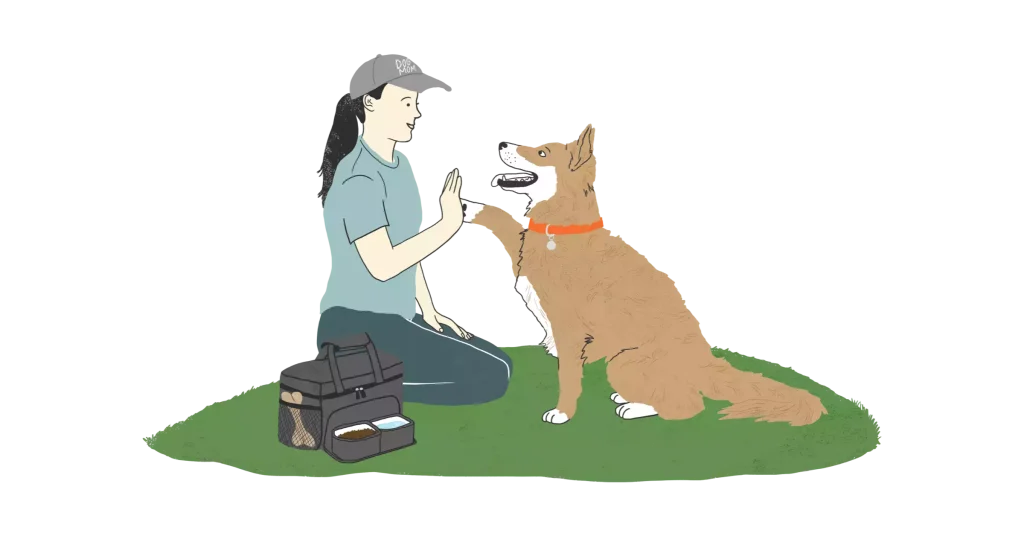
Moreover, the role of positive reinforcement cannot be understated in the context of socialization. Ensuring that encounters are rewarding with treats or praise encourages dogs to embrace rather than fear new experiences. This approach not only nurtures a positive behavior pattern but also establishes a strong bond between the dog and its owner.
| Advantage | Explanation |
|---|---|
| Improved Behavior | Socialized dogs tend to exhibit fewer behavioral problems, leading to a harmonious relationship with their owners. |
| Increased Confidence | Exposure to different environments helps dogs feel secure and less anxious in novel situations. |
This foundation of socialization significantly contributes to reducing the incidence of fear and aggression, which can manifest in various situations throughout a dog’s life. The notion that socialization is merely about meeting other dogs is a misconception; rather, it encompasses a broad spectrum of experiences that are vital for robust canine development.
Additionally, observational learning plays an essential role in socialization. Dogs learn from watching others, so ensuring they have positive role models can further enhance their learning experience. Engaging in training classes or group activities allows them to see how other dogs interact positively, reinforcing their own sociability and adaptability.
CHECK OUT: Click here to explore more
The Role of Positive and Negative Experiences
Socialization is an intricate dance between exposure and response, where the quality of experiences—both positive and negative—shapes dogs’ long-term behavior. Understanding the influence of these experiences during critical developmental phases can significantly enhance how we approach dog training and socialization efforts.
Positive Socialization: Building Confidence
Positive socialization experiences are imperative for fostering well-adjusted dogs. When a puppy encounters a variety of sights, sounds, and smells in a non-threatening environment, it builds a repertoire of positive associations. This can include engaging with gentle human strangers, playful interactions with other dogs, or even exploring different terrains. For instance, taking a dog for walks in local parks in Lagos or visiting pet-friendly markets can expose them to various sensory stimuli that help mitigate fear responses later in life. Studies have shown that dogs who have received proper positive socialization during their formative months exhibit greater confidence and reduced anxiety in unfamiliar situations.
Negative Experiences: The Impact of Fear
Conversely, negative experiences can have detrimental effects on a dog’s behavior. Traumatic encounters—such as harsh handling, aggression from other dogs, or sudden loud noises—can lead to long-lasting fears that manifest as aggression, anxiety, or withdrawal. This is particularly crucial in regions like Nigeria, where the hustle and bustle of daily life can expose dogs to overwhelming stimuli. For instance, a puppy that faces a scuffle with a larger dog can develop a long-term fear of larger breeds, affecting its ability to interact socially with other dogs. Research indicates that fearful dogs often react defensively, leading to a cycle of unfortunate interactions and further social withdrawal. Therefore, it is essential for dog owners to create safe environments where negative experiences are minimized.
Socialization and Breed-Specific Traits
Different dog breeds may react uniquely to socialization based on their inherent traits. Working breeds may require more extensive socialization to reduce tendencies towards guarding behavior, while some toy breeds may need exposure to larger dogs to prevent fearfulness. For instance, breeds commonly seen in Nigeria, such as the Nigerian Local Dog or the Akita, may require tailored socialization efforts that account for their natural instincts. Understanding the characteristics of specific breeds provides valuable insight into how to effectively tackle socialization challenges. Tailored training programs, which consider the unique traits of a breed, can enhance the effectiveness of socialization efforts and promote a more adaptable adult dog.
The Importance of Structured Socialization Activities
Structured socialization activities, such as puppy classes or guided playdates, can significantly augment a dog’s social learning. Engaging in organized settings allows dogs to interact with their peers under the guidance of experienced handlers, reducing the risk of negative encounters. In urban areas like Abuja, dog parks or community training sessions can serve as excellent venues for these interactions. Additionally, owners can utilize local resources, such as professional trainers and dog behaviorists, to facilitate proper socialization, ensuring a positive environment for their dogs. Landowners in rural settings can also encourage gentle interactions as they introduce their dogs to livestock, which can be critical in reducing issues of herding or chasing behavior in later stages.
By recognizing the profound influence of both positive and negative experiences, and tailoring socialization strategies to fit breed-specific traits and individual dog personalities, dog owners can foster behaviors that promote harmonious relationships with their surroundings and their humans.
ADDITIONAL INSIGHTS: Expand your understanding here
Conclusion: The Lasting Impact of Socialization on Dog Behavior
In conclusion, socialization is a cornerstone of canine development that shapes a dog’s behavior throughout its life. The quality of experiences—both positive and negative—during critical growth phases is pivotal for cultivating a well-adjusted pet. Engaging in diverse environments and exposing dogs to an array of stimuli can enhance their confidence and adaptability. As evidenced by various studies, dogs that undergo structured socialization are less likely to exhibit anxiety or aggression, leading to healthier interactions with people and other animals.
Moreover, in Nigeria’s unique social landscape, tailored approaches to socialization that consider breed-specific characteristics are essential. For instance, understanding how working breeds may require different socialization efforts compared to toy breeds enables owners to mitigate potential behavioral issues effectively. By minimizing negative encounters and maximizing positive interactions, dog owners can foster a sense of security and openness in their pets, paving the way for enriching human-animal bonds.
As we navigate the complexities of socialization, it becomes clear that a proactive approach can lead to profound benefits for both dogs and their humans. Investing time and resources in proper socialization practices is not merely an option but a responsibility that dog owners must prioritize. By emboldening our furry companions through thoughtful and deliberate socialization experiences, we nurture not only their well-being but also the joyful companionship they bring into our lives.