Daily Practices to Build Mental Resilience
The Nature of Mental Resilience
Mental resilience serves as a cornerstone for personal and professional success in today’s fast-paced society. Defined as the ability to adapt positively in the face of adversity, it encompasses a range of qualities including emotional strength, adaptability, and perseverance. As challenges and stressors become more frequent, individuals equipped with mental resilience can navigate life’s ups and downs more effectively.
Despite its significance, many individuals underestimate the role of daily practices in enhancing mental strength. The good news is that anyone can cultivate this trait through intentional efforts. By adopting a variety of techniques and lifestyle modifications, individuals can reinforce their mental resilience. Here are some compelling strategies:
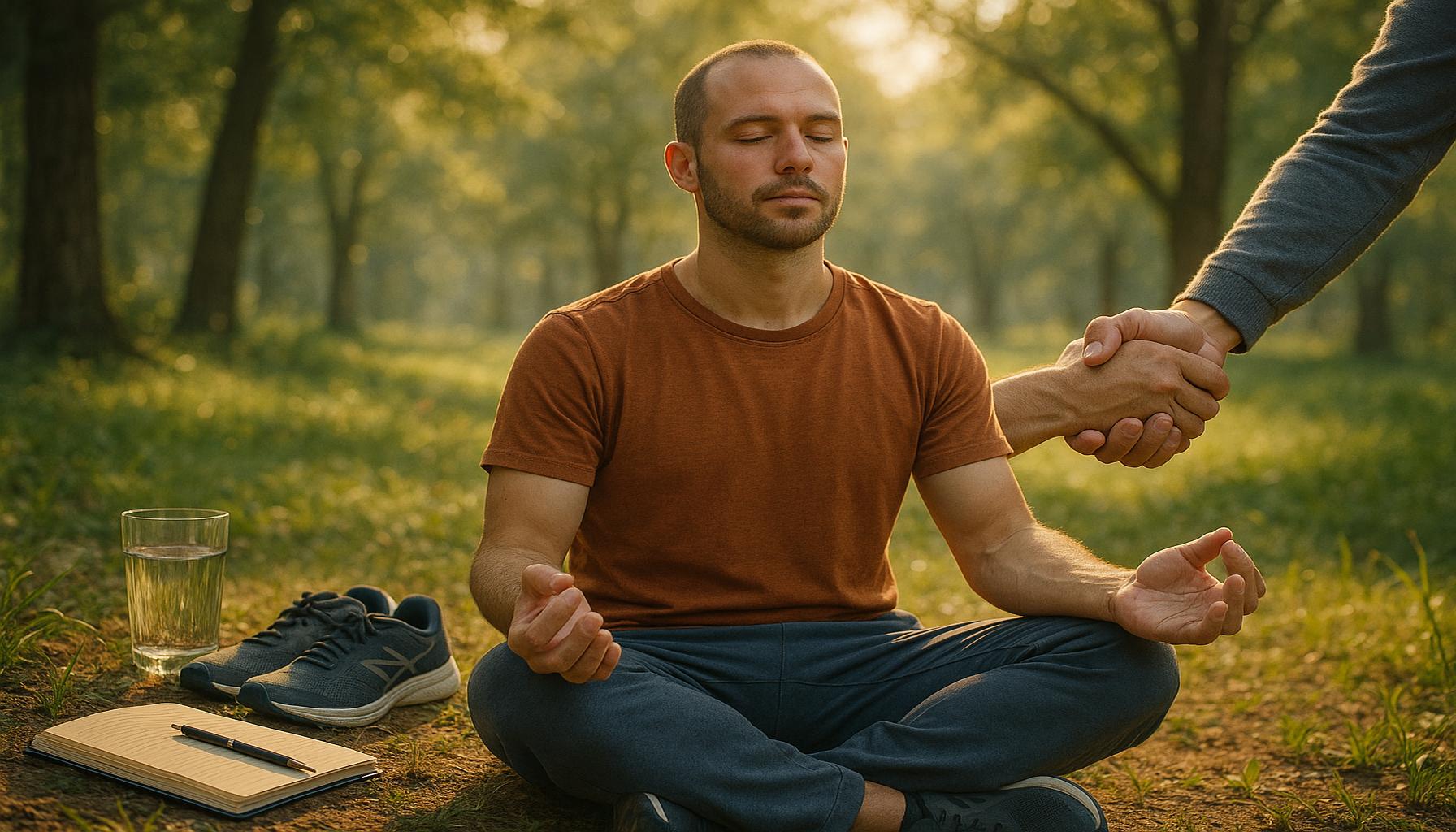
- Mindfulness meditation: This practice fosters greater self-awareness and reduces anxiety by encouraging individuals to stay present. Scientific research indicates that regular meditation can lead to a reduction in stress levels and can even rewire neural pathways, making one more adaptable to stress.
- Physical exercise: Engaging in regular physical activity is not just beneficial for physical health; it profoundly impacts mental well-being as well. Exercise releases endorphins, often termed “feel-good” hormones, which elevate mood, enhance cognitive function, and increase energy levels. Activities like jogging, yoga, or even walking can serve as powerful tools to bolster mental resilience.
- Gratitude journaling: This technique shifts focus from stressors to positive aspects of life, which can dramatically enhance emotional well-being. By reflecting on what they are thankful for, individuals can develop a more positive outlook. Studies have shown that gratitude practices can lead to improved mental health outcomes, including reduced symptoms of depression.
The effectiveness of these strategies significantly depends on consistency and commitment. Research indicates that small, intentional actions taken daily can produce a ripple effect in enhancing emotional strength and stability. For instance, a simple five-minute morning gratitude practice can lead to a boost in overall happiness throughout the day.
Moreover, integrating these practices into daily life not only strengthens resilience but also contributes to an enhanced quality of life. Understanding the foundations of mental toughness equips individuals with the tools necessary to face life’s inevitable challenges. With an informed approach towards building mental resilience, individuals can emerge more fortified and prepared for whatever lies ahead.
Transformative Daily Practices for Enhanced Mental Resilience
In a world teeming with uncertainties and rapid changes, cultivating mental resilience has never been more vital. Implementing specific daily practices can significantly enhance an individual’s ability to cope with stressors and challenges. One fundamental aspect to recognize is that mental resilience is not an innate trait, but rather a skill that can be developed through consistent practice.

Among the most effective daily practices are mindfulness meditation, physical exercise, and gratitude journaling. Let’s explore these techniques more deeply and understand how they contribute to building a resilient mindset.
Mindfulness Meditation
Mindfulness meditation encourages individuals to focus on the present moment, promoting self-awareness and emotional regulation. This practice helps to quiet the mind, allowing individuals to observe their thoughts and emotions without judgment. Research shows that regular mindfulness practice can lead to measurable changes in brain structure, particularly in areas related to emotional regulation and stress response. Notably, individuals who meditate regularly report experiencing lower anxiety levels and improved overall mood. To get started, setting aside just 10 minutes a day for mindfulness can lead to significant long-term benefits.
Physical Exercise
Physical activity is another powerful tool in boosting mental resilience. Beyond its well-known physical health benefits, exercise serves as an effective antidote for stress. Engaging in regular exercise can help release endorphins—chemicals in the brain that act as natural painkillers and mood elevators. Activities such as running, swimming, or practicing yoga not only improve physical health but also enhance cognitive function and emotional stability. Experts recommend aiming for at least 150 minutes of moderate aerobic activity per week to fully harness these benefits.
Gratitude Journaling
Shifting perspective from negativity to gratitude can have powerful effects on mental resilience. Gratitude journaling involves writing down a few things you are thankful for each day, which can lead to improved mental health and increased levels of happiness. According to studies, individuals who engage in gratitude practices experience reduced symptoms of anxiety and depression. This seemingly simple practice can serve as a daily reminder to focus on the positive aspects of life, especially during challenging times. Just a few minutes each evening dedicated to reflecting on positive moments can foster a more optimistic outlook.
While integrating mindfulness, exercise, and gratitude into daily life, it’s essential to remain consistent and committed. The cumulative effects of these practices can empower individuals to build their mental resilience and navigate the complexities of modern life more effectively.
In the pursuit of building mental resilience, it becomes evident that adopting these strategies not only prepares individuals for life’s challenges but also enhances their overall emotional well-being. By committing to these daily practices, you can lay the groundwork for a more resilient and fulfilling life.
Daily Practices to Build Mental Resilience
Building mental resilience is a vital skill in our fast-paced and often stressful world. It enables individuals to navigate challenges more effectively and maintain emotional stability. Here, we delve into some impactful daily practices that can help cultivate this resilience.
| Practice | Description |
|---|---|
| Mindfulness Meditation | This practice enhances self-awareness, helping to reduce stress and anxiety. |
| Journaling | Regularly writing down thoughts can clarify emotions and foster a positive mindset. |
| Physical Exercise | Engaging in daily exercise boosts mood and aids in stress management. |
| Social Connections | Building strong relationships provides support and encourages emotional expression. |
| Gratitude Practice | Focusing on what one is thankful for each day fosters contentment and resilience. |
These practices, when incorporated into daily routines, can significantly contribute to a stronger, more resilient mindset. Embracing such habits fosters emotional well-being, ultimately enhancing one’s capability to face life’s inevitable challenges.
Additional Strategies for Strengthening Mental Resilience
While mindfulness meditation, physical exercise, and gratitude journaling form a solid foundation for building mental resilience, there are additional daily practices that can further enhance an individual’s capacity to handle adversity. These practices include connecting with others, setting realistic goals, and continuous learning. Let’s delve into these strategies to understand their transformative impact on mental fortitude.
Connecting with Others
The importance of social connections in reinforcing mental resilience cannot be overstated. Engaging with friends, family, and community members fosters a support system that can be invaluable during difficult times. Research shows that people with strong social ties tend to have better mental health outcomes, experience less stress, and exhibit greater resilience in the face of challenges. Regularly reaching out to loved ones, whether through text, calls, or in-person visits, provides a sense of belonging and purpose. Joining local groups or clubs aligned with personal interests can also create opportunities for meaningful interactions and enhance feelings of community.
Setting Realistic Goals
Establishing achievable goals is a critical component of developing mental resilience. By breaking larger objectives into smaller, realistic tasks, individuals can create a roadmap to success that fosters a sense of accomplishment. This practice not only boosts confidence but also helps manage anxiety by making overwhelming situations seem more manageable. Utilizing techniques such as the SMART criteria—ensuring goals are Specific, Measurable, Achievable, Relevant, and Time-bound—can guide individuals in setting and attaining goals that nurture resilience. Keeping a progress journal can help track accomplishments and motivate ongoing efforts.
Continuous Learning
The pursuit of knowledge and new skills is another essential practice for cultivating a resilient mindset. Engaging in lifelong learning encourages adaptability and openness to change—traits that are critical when facing challenges. Whether enrolling in a class, picking up a new hobby, or simply reading books and articles, the act of learning fosters neural connections that enhance cognitive function. Additionally, the confidence gained from mastering new skills can significantly bolster an individual’s ability to cope with setbacks. Embracing a growth mindset, characterized by viewing challenges as opportunities for learning, helps individuals adapt and thrive in a constantly changing environment.
Incorporating these practices into daily life requires intention and commitment. It is essential to recognize that mental resilience is not built overnight; rather, it develops gradually through consistent effort and the application of diverse strategies. By fostering social connections, setting achievable goals, and embracing continuous learning, individuals can cultivate a robust foundation of resilience that empowers them to navigate life’s inevitable ups and downs with greater grace and strength.
The incorporation of these daily strategies provides a holistic approach to enhancing mental resilience. As individuals engage in these practices, they discover not only how to weather life’s storms but also how to emerge from them stronger and more empowered than ever.
Conclusion: The Journey Towards Lasting Mental Resilience
In the quest to strengthen mental resilience, consistency and diversity in daily practices are key. The integration of activities such as mindfulness meditation, physical exercise, gratitude journaling, along with establishing social connections, setting realistic goals, and committing to continuous learning, creates a multifaceted approach that empowers individuals to face life’s challenges with confidence and adaptability.
Research consistently highlights the profound impact of resilient individuals on their communities. For instance, those who nurture strong social ties not only enhance their well-being but foster a supportive environment for others. Moreover, setting achievable goals through structured planning enables individuals to pivot and respond positively to challenges, guiding them toward future successes. The process of continuous learning further enriches one’s knowledge base, fortifying the mental and emotional tools necessary for adapting to change.
As we embark on the continuous journey of building mental resilience, it is crucial to embrace the notion that setbacks are not signs of failure but opportunities for growth. By committing to these daily practices, we can transform our relationship with adversity, evolving into stronger, more capable versions of ourselves. It is through this lens of resilience that we discover not only the ability to cope but also the potential to thrive in an ever-changing world.
In conclusion, the daily commitment to mental resilience practices not only prepares us for individual challenges but also cultivates a collective strength that can uplift entire communities. As we learn to weather life’s storms, let us emerge more empowered, united, and ready to embrace the future with resilience and grace.
Related posts:
The Importance of Daily Practice to Cultivate a Growth Mindset
How Daily Gratitude Can Boost Your Growth Mindset
Daily Techniques to Turn Failures into Learning Opportunities
Mindfulness and Growth Mindset: Daily Practices for Success
Simple Growth Mindset Strategies for Your Daily Routine
How to Cultivate a Daily Growth Mindset

Linda Carter is a writer and growth mindset specialist with expertise in cognitive development and resilience training. With extensive experience helping individuals transform limiting beliefs and unlock their potential, she shares practical mindset strategies on our platform. Her goal is to empower readers with science-backed techniques to cultivate adaptability, embrace challenges, and achieve continuous personal and professional growth.