How to Cultivate a Growth Mindset in Children: Techniques and Strategies
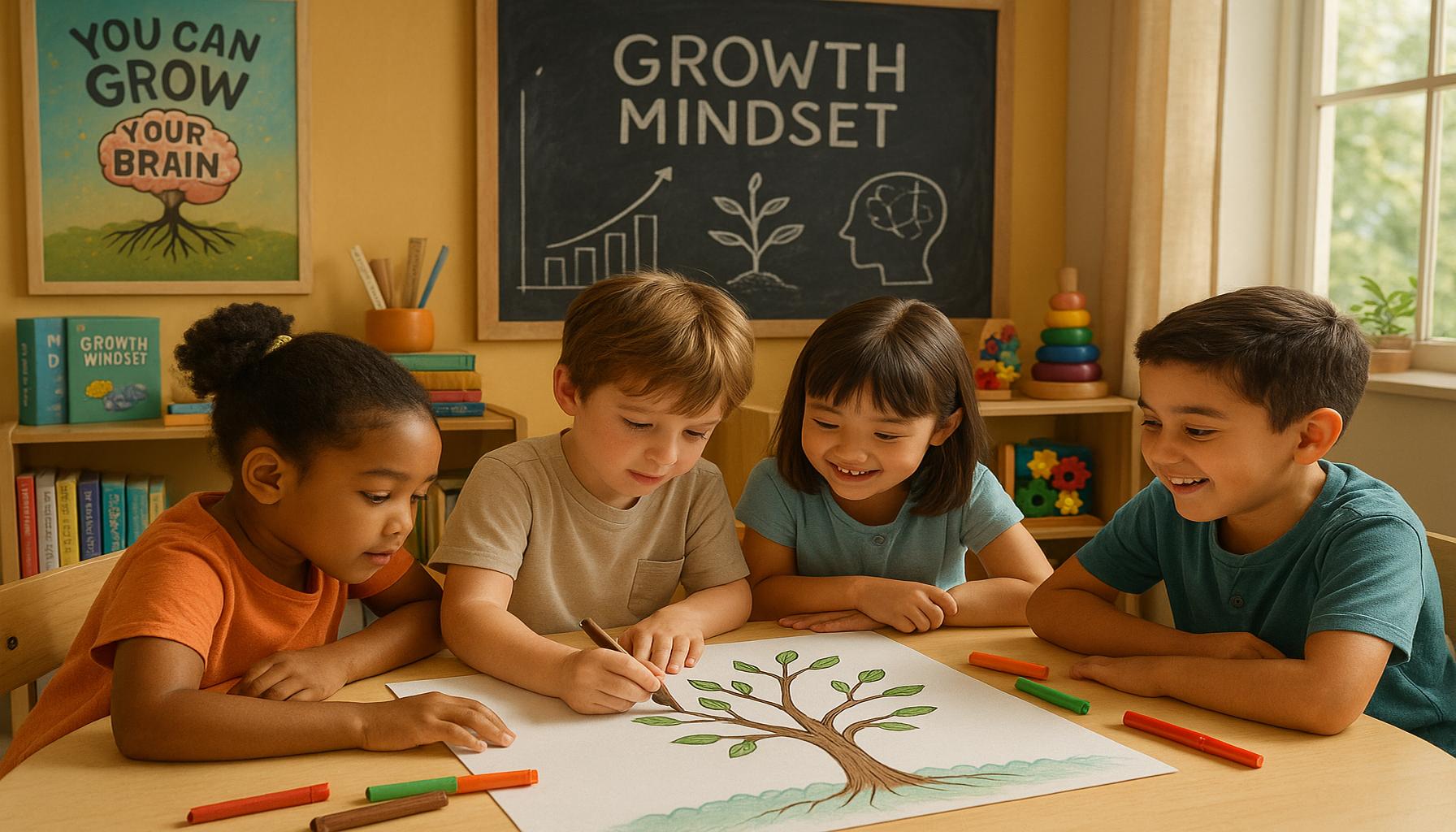
Understanding the Importance of a Growth Mindset
In the face of constant change and challenges, fostering adaptability in children is vital. The strength to confront difficulties without giving in is a hallmark of resilient individuals. By cultivating a growth mindset, parents and educators play a pivotal role in preparing children to navigate life’s complexities with confidence and resourcefulness.
The essence of a growth mindset lies in the belief that talents and intelligence can evolve through dedication, persistence, and effort. Research, spearheaded by psychologist Carol Dweck, has demonstrated that individuals who adopt this mindset are more likely to embark on paths filled with learning opportunities and personal development. For young learners, embracing failures as stepping stones rather than roadblocks is transformative. Here are some distinguishing characteristics of a growth mindset:
- Embracing challenges: Children learn to approach difficult tasks with enthusiasm, seeing them as opportunities to acquire new skills rather than insurmountable obstacles. For example, a child who struggles in math might embrace complex problems during homework as a chance to improve.
- Persistence: A growth-minded child does not easily become discouraged by setbacks. Instead, they learn the value of effort. A child who practices a musical instrument daily, even when progress seems slow, exemplifies this trait, striving to master challenging pieces.
- Learning from feedback: Constructive criticism is viewed as an essential part of the learning process. Engaging in discussions on how to enhance skills fosters an environment where children perceive feedback as a guide rather than a judgment. For instance, a teacher could give pointers on a writing assignment, encouraging the child to revise and improve.
- Celebrating effort: Acknowledging hard work—regardless of the end result—promotes a sense of accomplishment. Recognizing a child’s late-night study sessions, even if they don’t achieve a perfect score, instills pride in hard work.
Empirical evidence underscores the impact of a growth mindset on various dimensions of well-being and academic success. Students with this mindset tend to perform better in school settings, exhibit increased motivation, and experience reduced anxiety when faced with challenges. By instilling these values early, we can support children in becoming lifelong learners who do not shy away from adversity.
As we explore further, various techniques and strategies emerge to cultivate this empowering mindset in children. Activities that promote problem-solving, open-ended discussions, and creating supportive learning environments are pivotal in shaping their ability to thrive. For instance, incorporating playful challenges—such as puzzles—can be an enjoyable way to cultivate resilience.
In conclusion, fostering a growth mindset within children is not only a meaningful educational initiative but also a profound investment in their future. The skills they acquire, including adaptability and resilience, will serve them well throughout life. As we delve deeper into effective methodologies to nurture these traits, we invite readers to engage, reflect, and contribute to shaping resilient futures for the next generation.
Techniques to Foster a Growth Mindset in Children
As parents and educators recognize the importance of instilling a growth mindset in children, various practical techniques and strategies can be employed to facilitate this development. Creating an environment where children feel safe to explore, make mistakes, and learn is essential in nurturing their adaptive skills. Below are some effective approaches that can help in cultivating a growth mindset among young learners.
Encourage a Love for Learning
One of the most pivotal strategies to promote a growth mindset is to instill a genuine love for learning. Rather than simply focusing on grades or test scores, adults can emphasize the process of learning itself. Encourage children to ask questions and be curious about the world around them. For instance, engaging children in activities like science experiments or nature walks can spark an interest in discovery. By framing knowledge acquisition as a lifelong journey, children are more likely to appreciate the value of effort and perseverance.
Model Resilience
Children are often influenced by the behavior of adults in their lives. Demonstrating resilience in the face of challenges can serve as a powerful lesson. When parents or teachers encounter difficulties—be it a complex project at work or a personal challenge—they should openly discuss their strategies for overcoming these obstacles. By sharing their thought processes and the inevitability of setbacks, adults can illustrate that struggles are a natural part of growth. This transparency makes it easier for children to emulate these behaviors when they encounter their own hurdles.
Create an Environment for Exploration
Setting up a supportive learning environment that allows children to explore without fear of judgment is essential. Encourage creative play and problem-solving through engaging activities such as building blocks, art projects, or interactive games. This exploration not only stimulates their curiosity but also provides opportunities to learn from mistakes. Make it clear that failure is a natural step towards success—an idea best illustrated through stories of famous figures like Thomas Edison, who famously said, “I have not failed. I’ve just found 10,000 ways that won’t work.”
Use Positive Language and Feedback
The words we choose can greatly impact a child’s mindset. Framing challenges with constructive language can help children embrace their learning experiences. Instead of praising intelligence or talent, adults should focus on effort and determination. For example, instead of telling a child, “You are so smart!” after completing a task, try saying, “I’m really impressed by how hard you worked on this!” This reinforces the idea that achievement comes through effort, paving the way for a more resilient attitude when facing future challenges.
Encourage Goal Setting
Teaching children to set realistic and attainable goals is a strategic way to foster a growth mindset. Guide them in establishing both short-term and long-term objectives, and periodically review these goals together. This habit not only cultivates a sense of ownership over their learning but also allows children to track their progress and understand the importance of incremental improvements. Here’s a simple framework to follow:
- Define a Goal: Collaborate with the child to identify a specific, measurable goal.
- Discuss Challenges: Talk about potential obstacles they might encounter along the way.
- Develop a Plan: Create a step-by-step approach to achieve the goal while emphasizing that effort will lead to growth.
- Review Progress: Check in regularly to celebrate milestones and reassess strategies as necessary.
By implementing these techniques and strategies, adults can plant the seeds of a growth mindset, equipping children with the tools they need to thrive in an ever-evolving world. When children embrace challenges and learn to navigate setbacks, they are laying the groundwork for a future filled with success and resilience.
Techniques for Fostering a Growth Mindset
To effectively nurture a growth mindset in children, applying practical strategies throughout their daily lives is essential. Establishing a foundation early on will pave the way for lifelong learning and resilience. Here are some noteworthy techniques:
1. Embrace Challenges
Encourage children to take on new challenges, emphasizing that it is okay to struggle sometimes. Explain that failure is simply an opportunity to learn, and it’s through these experiences that they grow. This instills the belief that effort leads to improvement and success.
2. Celebrate Effort, Not Just Achievement
Shift the focus from the end result to the effort expended. Recognize and praise children for their hard work and persistence, regardless of whether they fully succeed. This reinforces the importance of dedication and perseverance.
3. Use Positive Language
The words we use can have a profound impact on a child’s mindset. Utilize phrases that promote growth, such as, “You’re getting better at this!” or “I see how hard you’re trying!” This kind of affirming language encourages them to embrace learning.
4. Introduce a “Yet” Mentality
Teach children to add “yet” to their self-doubt statements. For instance, if they say, “I can’t do this,” prompt them to say, “I can’t do this yet.” This simple addition can transform their perspective, making challenges feel more attainable.
5. Share Stories of Perseverance
Expose children to stories about well-known figures who overcame adversity through a growth mindset. This can inspire them to adopt similar attitudes and behaviors, realizing that setbacks are a part of the journey.
Incorporating these strategies into children’s everyday experiences not only helps them develop a growth mindset but also equips them with essential life skills that will aid them throughout their academic and personal endeavors.
| Advantage | Explanation |
|---|---|
| Enhanced Resilience | Children learn to face obstacles with confidence, bouncing back stronger. |
| Increased Motivation | A growth mindset fuels a desire to learn and achieve, fostering intrinsic motivation. |
By implementing these techniques and strategies, parents and educators can significantly contribute to cultivating a growth mindset within children, ultimately enhancing their emotional and cognitive development.
Building a Supportive Mindset Culture
In addition to individual techniques, creating a culture that embraces a growth mindset is vital for fostering resilience and adaptability in children. This involves integrating the principles of growth-oriented thinking into daily practices and interactions within families and educational settings. Here are some integrated strategies that can be employed to build a supportive mindset culture effectively.
Promote Collaboration Over Competition
Encouraging children to work together rather than fostering a competitive environment can significantly impact their learning experience. When children collaborate, they learn from each other’s strengths and perspectives, which enriches their knowledge and builds social skills. Activities like group projects or team sports can be excellent platforms for teaching children the value of working together towards a common goal. Highlight instances where teamwork leads to success, allowing children to see the shared effort as a pathway to achieving collective growth.
Broaden the Definition of Success
Revisiting and broadening the definition of success is crucial. Many children associate success with grades, trophies, or accolades; however, it is essential to highlight different forms of achievement. Celebrating improvement, effort, and creativity can help children recognize that success comes in many forms. By praising children for their unique contributions, whether in art, ideas, or problem-solving approaches, adults reinforce the notion that diverse strengths are valuable and contribute to a rich learning environment.
Encourage Critical Thinking
Engaging children in critical thinking activities cultivates a growth mindset by promoting exploration and questioning. Instead of providing answers outright, adults can encourage children to think through problems, ask for different solutions, and consider the reasoning behind their choices. Activities like debates, science fairs, or even discussing real-life issues can evoke thoughtful dialogue. By teaching children to analyze situations critically, they develop an understanding that challenges come with thoughtful solutions, reinforcing persistence.
Implement Mindfulness Practices
Mindfulness practices can play a significant role in nurturing a growth mindset. Teaching children to be present and aware of their feelings equips them to better understand their emotions, especially when facing challenges. Techniques such as deep breathing, journaling, or guided meditation help children manage stress and anxiety associated with failure. This mindfulness fosters resilience, enabling them to approach setbacks with a stronger emotional foundation. Schools can incorporate short mindfulness sessions into daily routines, allowing children to practice these techniques as part of their regular schedule.
Encourage Reflection
Instilling the habit of reflection is another essential strategy in cultivating a growth mindset. After completing projects or facing challenges, encourage children to reflect on what they learned and how they can improve in the future. Questions such as “What did I do well?” and “What can I do differently next time?” lead to deeper learning and personal insight. This self-reflective practice helps children to internalize their experiences, reinforcing the idea that growth comes from thinking about and analyzing their journey rather than just focusing on the end result.
By incorporating these strategies into everyday interactions and educational practices, parents and educators can foster an environment that not only encourages a growth mindset but also prepares children for a future filled with challenges and opportunities. With the right support and encouragement, children can learn to embrace adversity, celebrate improvement, and effectively navigate the complexities of life.
Conclusion
In conclusion, cultivating a growth mindset in children is an invaluable investment in their future. By implementing techniques and strategies such as promoting collaboration, broadening the definition of success, encouraging critical thinking, integrating mindfulness practices, and fostering reflection, parents and educators can create a nurturing environment that empowers children to overcome challenges and embrace continual learning.
The benefits extend beyond academic achievement, as children equipped with a growth mindset are better prepared to navigate the complexities of life, facing obstacles with resilience and an open heart. Research indicates that children with growth mindsets develop stronger problem-solving skills and are more likely to pursue their passions with fervor, contributing to their overall well-being and happiness.
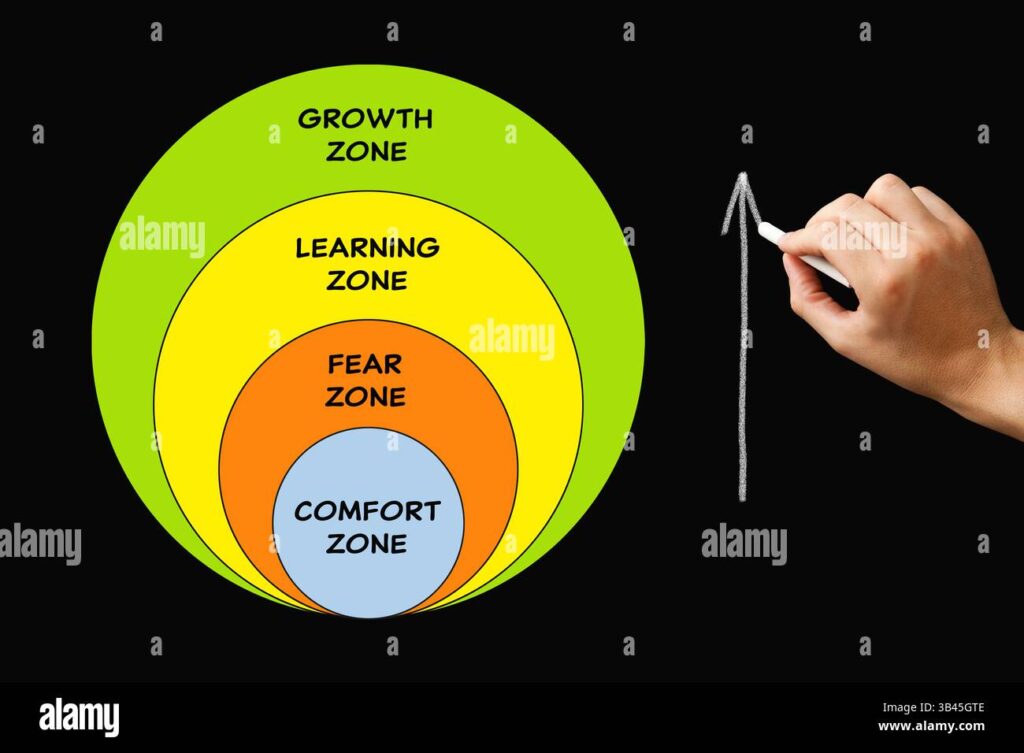
Moreover, by creating a culture that celebrates effort over mere outcomes, we encourage a generation that values perseverance and creativity. This can lead to richer collaboration, greater emotional intelligence, and a sense of community while also reducing the fear of failure, allowing children to venture outside their comfort zones.
As we reflect on these techniques, it becomes evident that cultivating a growth mindset requires consistent practice and dedication from both adults and children alike. Together, let us foster an atmosphere where curiosity flourishes, and challenges serve as stepping stones to greater achievements. By doing so, we pave the way for children to flourish not only academically but also as resilient and adaptable individuals poised to make meaningful contributions to society.
Related posts:
Growth Mindset and Continuous Learning: Practices for Everyday Life
The Relationship between Growth Mindset and Personal Resilience
The Importance of Resilience in Personal Development
Resilience in Difficult Times: Growth Mindset Techniques to Face Adversities
How to Cultivate a Growth Mindset in the Workplace
The Importance of Resilience in Developing a Growth Mindset

Linda Carter is a writer and growth mindset specialist with expertise in cognitive development and resilience training. With extensive experience helping individuals transform limiting beliefs and unlock their potential, she shares practical mindset strategies on our platform. Her goal is to empower readers with science-backed techniques to cultivate adaptability, embrace challenges, and achieve continuous personal and professional growth.