The Art of Overcoming Challenges: Building Resilience with a Growth Mindset

Understanding Resilience and the Growth Mindset
Life presents us with a myriad of challenges, from personal struggles to professional setbacks. These adversities can often leave individuals feeling overwhelmed or defeated. However, the key to thriving amid these difficulties lies in the concept of resilience. This intrinsic quality allows individuals not just to survive tough circumstances but to emerge stronger and wiser, shaping the very foundation of personal development.
Key Components of Resilience
To effectively harness resilience, certain core components must be cultivated:
- Adaptability: Being adaptable means more than simply accepting change; it entails actively embracing new circumstances and finding innovative ways to adjust. For example, during the COVID-19 pandemic, many businesses pivoted to remote work, exemplifying how adaptability can lead to new opportunities and ways of operating.
- Support Systems: A robust support system provides a safety net. Whether it’s turning to family during personal crises or seeking mentorship in a challenging career situation, having people to lean on can drastically improve one’s resilience. Research indicates that those with strong social connections are more likely to cope effectively with stress and adversity.
- Self-awareness: Understanding one’s strengths and weaknesses is critical in navigating challenges. This introspection allows individuals to leverage their strong points while working on areas needing improvement. Tools such as journaling or personality assessments can help enhance self-awareness.
- Optimism: Maintaining a positive outlook is essential in cultivating resilience. Optimistic individuals are more likely to envision successful outcomes and pursue them, even in the face of considerable hurdles. Studies show that optimism can lead to better health outcomes and increased resilience over time.
The Role of a Growth Mindset
At the heart of resilience lies the growth mindset, a term popularized by psychologist Carol Dweck. This mindset is characterized by the belief that abilities can be molded and enhanced through effort and education, which profoundly alters how challenges are perceived:
- Learning from failure: Rather than being discouraged by mistakes, individuals with a growth mindset see failures as valuable learning experiences. This shift in perspective fosters innovation and creativity, vital traits in personal and professional settings.
- Persistence: Individuals embodying a growth mindset demonstrate remarkable tenacity. They understand that obstacles are part and parcel of any worthwhile endeavor, compelling them to continue making progress, even when faced with adversity.
- Embracing feedback: Constructive criticism is viewed as an opportunity for growth rather than a personal attack. By welcoming feedback, individuals can identify areas for improvement and implement actionable strategies to enhance their skills.
In exploring the importance of resilience and the growth mindset, we uncover an intricate process of personal development that not only equips individuals to cope with life’s setbacks but also empowers them to turn those hardships into launching pads for success. Engaging with these concepts could inspire you to examine your approaches to challenges, illuminating pathways for growth and renewal.
The Mechanisms of Building Resilience
Understanding the art of overcoming challenges requires a closer examination of the mechanisms that cultivate resilience. Embracing a growth mindset not only enhances one’s ability to cope with adversities but also enriches the overall learning experience. This journey is multifaceted, incorporating both psychological and practical strategies that yield powerful transformative effects in our lives.
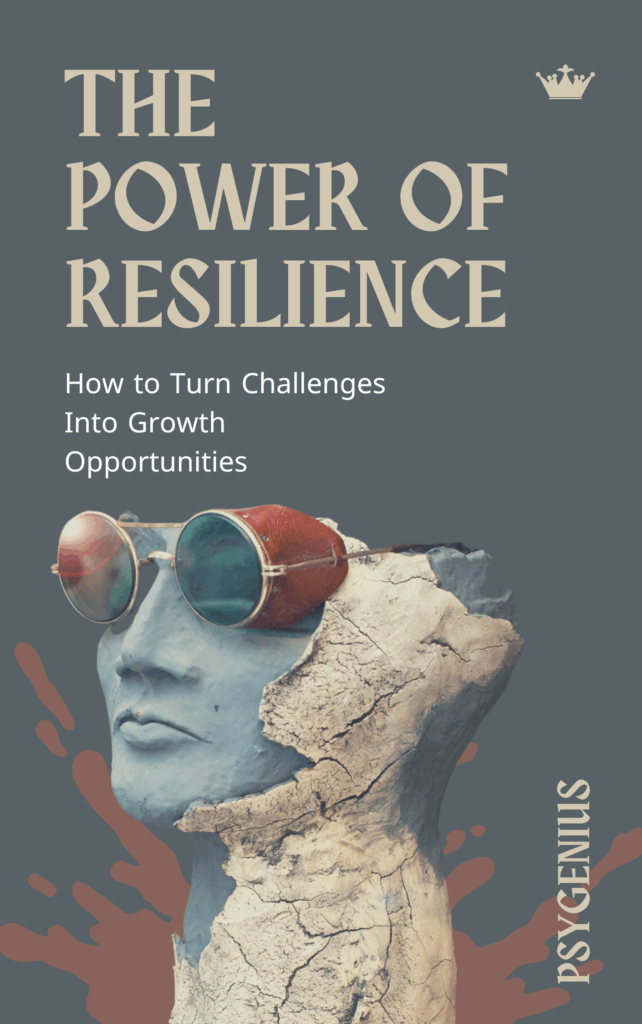
Strategies to Foster a Growth Mindset
To effectively cultivate a growth mindset and build resilience, consider implementing the following strategies:
- Set Challenging Goals: Setting ambitious yet attainable goals encourages individuals to step out of their comfort zones. By pursuing challenges, rather than avoiding them, individuals can develop their skills and experiences. Whether it’s taking on a new project at work or enrolling in a class to learn a new language, challenging oneself leads to growth.
- Practice Mindfulness: Mindfulness practices such as meditation and deep breathing can enhance self-awareness and emotional regulation. By becoming more attuned to one’s thoughts and feelings, individuals can respond to challenges more thoughtfully, rather than react impulsively, thereby strengthening their resilience.
- Celebrate Small Wins: Acknowledging and celebrating incremental successes is crucial for maintaining motivation. This practice reinforces the belief that progress is achievable, even in small doses. When individuals celebrate these milestones, they create a positive feedback loop that supports ongoing growth.
- Engage in Lifelong Learning: Embracing the notion that learning never stops fosters a continuous development mindset. This approach encourages individuals to seek out opportunities for skills enhancement or knowledge acquisition, whether through formal education, workshops, or self-directed learning online.
These strategies serve as tools for individuals looking to transform their outlook on life’s difficulties. While the implementation of these techniques requires discipline and commitment, the long-term benefits are substantial. By investing in a growth-oriented approach, individuals not only enhance their resilience but also cultivate a deeper understanding of their capabilities.
Real-Life Applications of Resilience
Real-world examples of resilience can often inspire others struggling with their challenges. Consider the story of Howard Schultz, the former CEO of Starbucks. Coming from a low-income background, Schultz faced numerous challenges yet continually embraced a growth mindset throughout his career. His perseverance and willingness to learn led him to transform Starbucks from a small coffee company into a global powerhouse. Schultz’s journey exemplifies that resilience can drive extraordinary achievements, even against daunting odds.
Similarly, the importance of resilience was highlighted in the aftermath of natural disasters such as Hurricane Katrina. Communities that demonstrated adaptability and collaboration during recovery efforts not only rebuilt their homes but also revitalized their spirits, showcasing the power of resilience in action. These examples illustrate that resilience is not merely an individual quality but can also emphasize the collective strength of communities.
As we explore the art of overcoming challenges, we acknowledge that resilience and a growth mindset are not fixed traits but rather skills that can be nurtured over time. By actively engaging with these principles, individuals position themselves to navigate hardships more effectively and emerge with renewed vigor.
| Advantages | Details |
|---|---|
| Enhanced Problem-Solving Skills | Individuals with a growth mindset tend to approach challenges as opportunities for improvement, fostering innovative solutions. |
| Increased Emotional Resilience | A growth mindset cultivates emotional strength, allowing individuals to recover quickly from setbacks and maintain a positive outlook in adversity. |
Enhancing your problem-solving skills is crucial in today’s ever-changing world. Those who foster a growth mindset view challenges as stepping stones instead of roadblocks. This mindset allows for greater creativity and ingenuity, paving the way to innovative solutions that can be applied not only in personal challenges but in workplace scenarios as well. Furthermore, emotional resilience becomes a hallmark of individuals who embrace this mindset. With improved emotional strength, they are better equipped to handle stress and adversity, bouncing back with renewed vigor. This ability to thrive in tough situations is often a result of learning from previous experiences, making every setback a valuable lesson rather than a defeat.By understanding these advantages, you can uncover how vital adopting a growth mindset is in overcoming challenges effectively. With dedication and practice, you can transform obstacles into opportunities for personal and professional growth.
Transforming Setbacks into Opportunities
One of the most powerful aspects of embracing a growth mindset is the ability to transform setbacks into opportunities for development. In this context, challenges are not viewed as insurmountable obstacles, but rather as invaluable learning experiences. This shift in perspective can be crucial when navigating life’s difficulties, helping individuals and communities evolve positively in the face of adversity.
Reframing Negative Experiences
The technique of reframing involves taking a step back and looking at a negative experience from a different angle. For instance, when professional setbacks occur—such as being passed over for a promotion or failing to secure a new job—individuals can choose to view these events as catalysts for personal growth rather than personal failures. This process encourages people to identify the skills they need to develop or the areas where they can improve. By cultivating curiosity and initiative, individuals can thus position themselves for long-term success.
Research supports the idea that reframing leads to enhanced resilience. A study published in the Journal of Personality and Social Psychology found that participants who reframed their perspectives on failure showed increased persistence and performance in challenging tasks. This illustrates that the way individuals interpret their experiences can more significantly influence their outcomes than the events themselves.
The Role of Support Networks
Building resilience is not solely an individual endeavor; it is often bolstered by the strength of support networks. Friends, family members, peers, and mentors play integral roles in fostering resilience through shared experiences, encouragement, and guidance. Engaging with others who exhibit a growth mindset can create a substantial positive influence.
Consider the example of Adam Grant, a renowned organizational psychologist, and best-selling author. In his research, he highlights the significance of relational support in enhancing individual resilience during challenging times. Grant asserts that workplaces that foster open communication and supportive cultures empower employees to thrive, even when faced with difficulties. This concept extends beyond the workplace, emphasizing that a robust community can significantly enhance individual resilience against challenges.
The Impact of Technology on Resilience
In today’s digital age, technology also plays a vital role in building resilience. Social media platforms, for example, allow individuals to share their experiences and connect with others worldwide, providing a sense of belonging and support. Numerous online resources, workshops, and communities focus on resilience and personal growth, making it accessible to anyone willing to seek help or learn. For instance, organizations like BetterHelp and Headspace offer individuals tools and avenues to cultivate a strong growth mindset.
This technological facilitation of resilience demonstrates that access to support, knowledge, and resources can empower individuals to confront and overcome their challenges effectively. By embracing the modern resources available, one can leverage technology not only for skill development but also for emotional and psychological support.
Ultimately, the art of overcoming challenges lies in the ability to adapt, grow, and seek out opportunities even amidst adversity. Individuals who nourish their growth mindset and actively engage with supportive communities will find themselves better equipped to tackle life’s trials and emerge more robust and resolute.
Conclusion: Embracing Growth for Lasting Resilience
In navigating the intricate landscape of life’s challenges, adopting a growth mindset emerges as a cornerstone of building resilience. Recognizing that setbacks are not endpoints, but instead stepping stones towards self-improvement, empowers individuals to transform adversity into opportunity. By reframing negative experiences, individuals can cultivate a richer understanding of their capabilities, enhancing both their perseverance and performance in the face of obstacles.
Moreover, the significance of support networks cannot be overstated. Engaging with others who also prioritize personal growth fosters an environment rich in encouragement, shared experiences, and collaboration—all essential elements for overcoming hardship. As highlighted by experts like Adam Grant, the social fabric created through supportive relationships is vital for building resilience, enhancing the sense of community during trials.
The digital landscape further enriches this process. With countless resources available online—such as workshops, forums, and mental health applications—individuals can find tailored support and tools to enhance their emotional well-being. This accessibility empowers a wider audience to embrace resilience, making it more attainable than ever.
Ultimately, the art of overcoming challenges through a growth mindset is about seeing possibilities where others see limits. As we strive to build resilience, let us remain curious, connected, and open to growth. In doing so, we not only equip ourselves to conquer life’s hurdles but also inspire those around us to embark on their own journeys of resilience.
Related posts:
Resilience Strategies for Youth in Competitive Environments
Practical Tips to Boost Positive Mindset in Face of Challenges
Practical Exercises to Strengthen Your Daily Resilience
Overcoming Challenges: Applying the Growth Mindset in Difficult Situations
Mindfulness and Resilience: Connecting the Present to Personal Growth
The Role of Resilience in Education: Fostering a Growth Mindset in Students

Linda Carter is a writer and growth mindset specialist with expertise in cognitive development and resilience training. With extensive experience helping individuals transform limiting beliefs and unlock their potential, she shares practical mindset strategies on our platform. Her goal is to empower readers with science-backed techniques to cultivate adaptability, embrace challenges, and achieve continuous personal and professional growth.