Resilience in Difficult Times: Growth Mindset Techniques to Face Adversities

The Importance of Resilience in Overcoming Life’s Challenges
Adversity is an inherent part of life, often catching us off guard and challenging our very core. In these moments, developing a resilient mindset becomes crucial. Resilience allows us to bounce back, learn, and grow from difficult experiences. It is the mental reservoir of strength that we tap into when we encounter hardship.
Throughout history, individuals and communities have demonstrated incredible strength in facing challenges. From pioneering leaders like Nelson Mandela, who spent 27 years in prison before becoming the President of South Africa, to everyday people who rise above personal setbacks, resilience can manifest in various ways. These examples showcase the profound human ability to adapt and thrive despite adversity.
Some key techniques to cultivate a growth mindset during tough times include:
- Embracing Challenges: This technique involves viewing obstacles as opportunities rather than setbacks. For instance, when faced with job loss, an individual might see this as a chance to explore new career paths or pursue their passion for entrepreneurship. The ability to reframe challenges can lead to innovative solutions and personal breakthroughs.
- Learning from Criticism: Using constructive feedback to improve and refine skills is vital for growth. A musician, for example, may take critique from a coach to enhance their performance, ultimately evolving into a more skilled artist. This approach promotes a continuous learning cycle that enhances one’s abilities over time.
- Staying Inspired: Surrounding yourself with positive influences and motivational content can nurture a resilient attitude. This could mean following inspiring figures on social media, reading uplifting books, or joining support groups where shared experiences lead to encouragement and advice. Such environments foster positivity and resilience.
- Practicing Gratitude: Focusing on what you can appreciate, even during hardships, plays a crucial role in maintaining a healthy outlook. Studies show that individuals who maintain gratitude journals report significantly higher levels of emotional well-being, even in challenging times.
Statistics show that practicing a growth mindset can lead to a more fulfilling life. Research indicates that those with a resilient outlook tend to report higher levels of satisfaction and better mental health. For example, a study published by the American Psychological Association found that resilient individuals experience reduced stress and greater life satisfaction. By integrating these growth mindset techniques, you too can learn to navigate through adversities with confidence.
In the following sections, we will explore specific strategies and real-life examples of resilience that showcase how adopting a growth mindset can transform challenges into stepping stones for success. Not only do these strategies provide concrete actions to improve resilience, but they also reveal the potential for personal transformation through adversity. Let’s embark on this journey to uncover effective ways to fortify our spirit in the face of difficulties, ultimately leading to a richer, more fulfilling life.
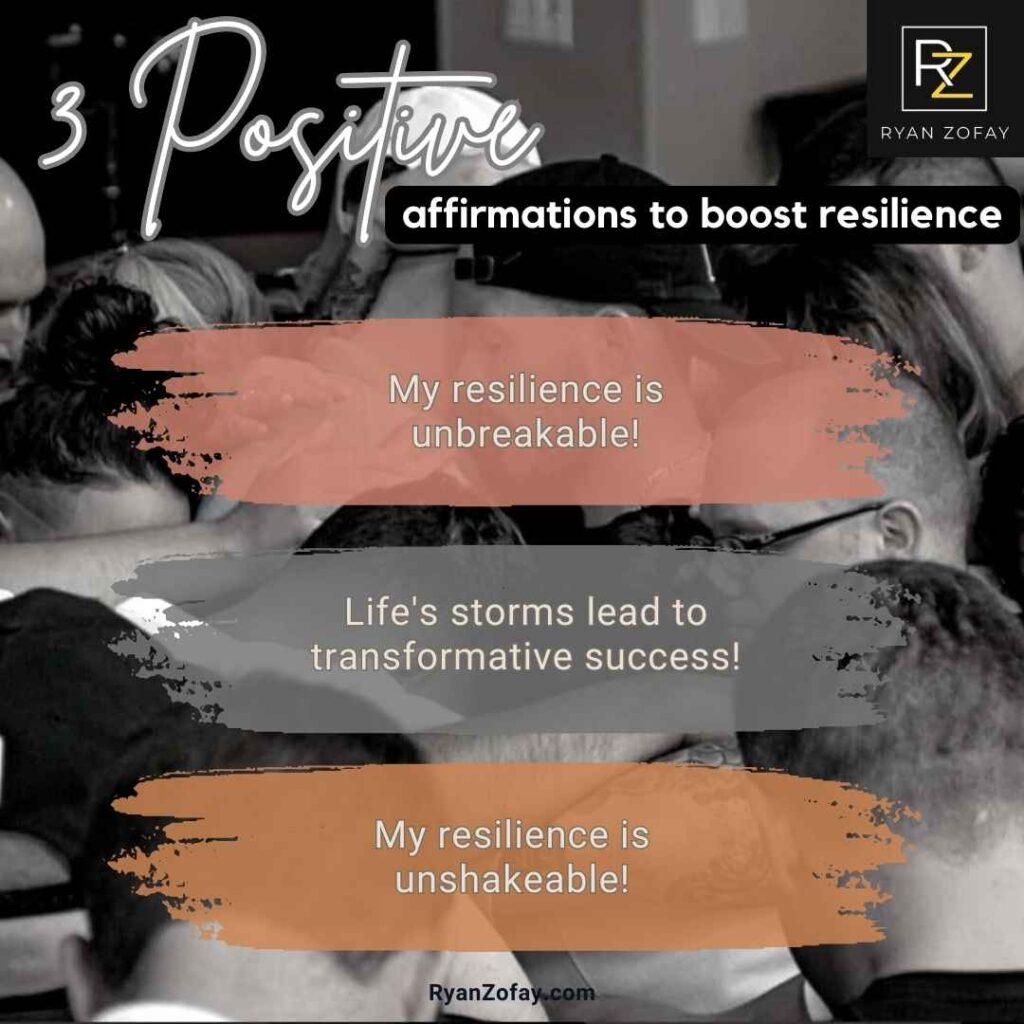
Harnessing Your Inner Strength: Techniques for Developing Resilience
Resilience is not merely a passive trait; it’s an active process that can be cultivated through intentional practices and a growth mindset. By focusing on techniques that enhance your ability to face adversities, you can transform the way you respond to life’s inevitable challenges. Below, we delve into several powerful strategies that can help you forge resilience during difficult times.
Embrace a Positive Outlook
Your perspective shapes your reality. When you embrace a positive outlook, you not only open the door to opportunities but also equip yourself with a powerful tool against adversity. Research indicates that individuals with an optimistic viewpoint tend to face situations with increased confidence and creativity. According to a report from the University of Pennsylvania, those who practice optimism are 50% more likely to achieve their goals, even when facing obstacles.
Reframe Your Thoughts
Reframing your thoughts involves changing the narrative around your challenges. Instead of viewing setbacks as roadblocks, see them as stepping stones toward growth. For instance, consider the story of a young entrepreneur who failed in their first business venture. Rather than succumbing to despair, they analyzed their mistakes, learned the market dynamics, and successfully launched a new company later. This shift in perspective allowed them to view failure not as the end, but as a vital part of their learning journey.
Set Realistic Goals
Setting realistic goals is crucial during tough times. Breaking down larger challenges into smaller, manageable steps not only makes tasks seem less daunting but also boosts your confidence as you achieve each milestone. For example, if you’re dealing with job loss, consider setting short-term goals like updating your resume, networking with peers, and applying to a certain number of positions each week. Celebrating small victories along the way reinforces your resilience and keeps you motivated.
Build a Support Network
No person is an island, and this adage is particularly true when it comes to building resilience. A support network can provide you with encouragement, advice, and empathy during tough times. Engaging with family, friends, or support groups fosters a sense of belonging and community that can be instrumental in overcoming challenges. A study from the American Journal of Community Psychology emphasizes that social support significantly enhances one’s resilience, reducing feelings of isolation and despair.
Practice Mindfulness and Self-Care
- Mindfulness: This technique involves staying present and aware, allowing you to acknowledge your feelings without judgment. Regular mindfulness practice can lead to increased emotional regulation and decreased stress levels.
- Self-Care: Engaging in activities that nourish your mental, physical, and emotional well-being is crucial. Whether it’s exercise, meditation, or hobbies, prioritizing self-care allows you to recharge and improve your resilience.
Utilizing these growth mindset techniques can pave the way for navigating through adversities effectively. As we explore resilience further, remember that these strategies are not just theoretical but practical steps that have been proven to provide individuals with the strength to overcome life’s challenges. In the next sections, we will delve deeper into real-life examples and explore additional strategies that can bolster your resilience.
Growth Mindset Techniques for Fostering Resilience
In the face of adversities, cultivating a growth mindset can significantly enhance resilience. This transformative approach, popularized by psychologist Carol Dweck, emphasizes the belief that abilities can be developed through dedication and hard work. By recognizing that challenges are opportunities for learning, individuals can shift their perspectives toward adversity.One effective technique is to practice self-reflection. Taking time to assess difficult experiences can provide insights into personal strengths and areas for growth. This process not only builds awareness but also fosters a proactive attitude towards future challenges. Journaling can serve as a practical tool. Writing about challenges faced and the lessons learned encourages a deeper understanding of how to approach similar situations moving forward.Another important strategy is embracing failure as part of the journey. Each setback is not merely an obstacle, but a stepping stone towards success. This perspective aids in desensitizing the fear associated with failing. By reframing failures as valuable feedback, individuals are more likely to take risks and seize opportunities, thus enhancing their resilience.Moreover, surrounding oneself with a supportive community can reinforce a growth mindset. Engaging with others who also embrace adversity as a growth opportunity fosters encouragement and shared learning. This social support can be invaluable in maintaining motivation and perspective during challenging times.Incorporating these techniques into daily life not only helps individuals navigate present struggles but also equips them with tools to tackle future challenges. The exploration of resilience through a growth mindset not only paves the way for personal growth but also contributes to overall emotional well-being, making individuals more adaptable in times of uncertainty. For a deeper understanding of how to implement these techniques and examples of resilience in practice, exploring further literature and resources on growth mindset strategies can be beneficial.
Transforming Setbacks into Springboards for Success
Resilience is a dynamic process that not only allows individuals to withstand stress but also encourages them to thrive in adverse conditions. By applying specific growth mindset techniques, you can reshape your understanding of setbacks and use them as stepping stones toward success. Effective strategies go beyond mere coping mechanisms, empowering you to grow stronger through challenges.
Cultivate Emotional Agility
Emotional agility refers to the capacity to adapt emotions to changing circumstances. Instead of becoming rigid in your responses to stress, tapping into your emotional agility allows for a more nuanced approach. For example, renowned psychologist Susan David emphasizes that acknowledging difficult emotions without being overwhelmed by them can foster resilience. This means allowing yourself to feel disappointment or fear but not letting these feelings dictate your actions. Techniques such as journaling about your experiences or seeking therapy can enhance your emotional agility, enabling you to navigate life’s unpredictability more smoothly.
Foster a Sense of Purpose
Having a strong sense of purpose can profoundly influence your resilience. Research from the University of Michigan highlights that individuals who engage in meaningful activities tend to experience lower stress levels and better emotional well-being. Explore ways to integrate purpose into your life, whether through volunteer work, pursuing hobbies, or setting long-term career goals. Individuals who derived a sense of purpose from their experiences, such as healthcare professionals working on the frontlines during the COVID-19 pandemic, showcased remarkable resilience, demonstrating that a strong ‘why’ motivates persistence in the face of adversity.
Learn from Criticism and Feedback
The ability to learn from criticism is a cornerstone of a growth mindset. Instead of viewing feedback as personal attacks, embrace it as a chance to refine your skills and understanding. Consider Thomas Edison, who faced numerous failures before successfully inventing the lightbulb. His belief in learning from every setback allowed him to achieve one of history’s greatest innovations. By seeking constructive feedback and viewing it as an integral part of your development, you can enhance your resilience while growing both personally and professionally.
Engage in Continuous Learning
The journey towards resilience is ongoing, making continuous learning a key aspect to embrace. This can involve acquiring new skills, pursuing further education, or simply cultivating a curious mindset. For instance, an employee facing downsizing in their company might adapt by learning a new programming language or enhancing leadership skills. Engaging in lifelong learning not only creates new opportunities but also instills a sense of control and adaptability, which are vital for bouncing back during challenging times. According to a study published in the Journal of Applied Psychology, workers who actively seek learning opportunities are better equipped to navigate shifts in the job market.
Maintain Physical Well-being
Physical well-being directly impacts mental resilience. Regular exercise, a nutritious diet, and sufficient sleep can dramatically impact your ability to cope with stress. Exercise, for instance, releases endorphins, which can improve your mood and increase resilience. Engaging in physical activities like yoga or team sports also fosters community and provides an outlet for stress relief. A report from the American Heart Association notes that individuals who maintain an active lifestyle experience lower levels of anxiety and higher overall emotional health, providing them with the strength needed in tough times.
By embracing these growth mindset techniques, you position yourself not only to survive difficult times but to thrive and emerge stronger. As we delve further into resilience, we will explore additional methods to enhance your ability to overcome obstacles, enriching your journey toward growth and self-discovery.
Conclusion: Embracing Resilience for a Brighter Future
In the face of adversity, resilience paved the way for transformation and personal growth. The techniques discussed, including emotional agility, sustaining a sense of purpose, and learning from criticism, underline the importance of a growth mindset in navigating life’s challenges. By integrating these methods into our daily lives, we not only enhance our ability to withstand stress but also foster a deeper understanding of our strengths and potential.
It is essential to remember that resilience is not an inherent trait but a skill that can be developed and honed through consistent practice. Engaging in continuous learning and prioritizing physical well-being acts as a foundation for building mental toughness, equipping individuals with the necessary tools to face uncertainty with confidence. Studies show that those who actively cultivate these attributes tend to experience not only better emotional health but also an improved quality of life.
As we move forward in an ever-changing world marked by uncertainties, adopting these growth mindset techniques will empower us to see setbacks as opportunities rather than obstacles. By fostering resilience, we hold the key to not only overcoming our current challenges but also preparing ourselves for future adversities. By embracing this holistic approach, we can ultimately transform our lives and foster a brighter, more adaptable future.
Related posts:
How to Cultivate a Growth Mindset in Children: Techniques and Strategies
The Role of Mentorship in Developing a Growth Mindset
The Importance of Resilience in Personal Development
Developing a Growth Mindset in Teams: Dynamics and Exercises
The Importance of Resilience in Developing a Growth Mindset
How a Growth Mindset Can Transform Traditional Education

Linda Carter is a writer and growth mindset specialist with expertise in cognitive development and resilience training. With extensive experience helping individuals transform limiting beliefs and unlock their potential, she shares practical mindset strategies on our platform. Her goal is to empower readers with science-backed techniques to cultivate adaptability, embrace challenges, and achieve continuous personal and professional growth.