Teaching Techniques to Foster a Growth Mindset in Children
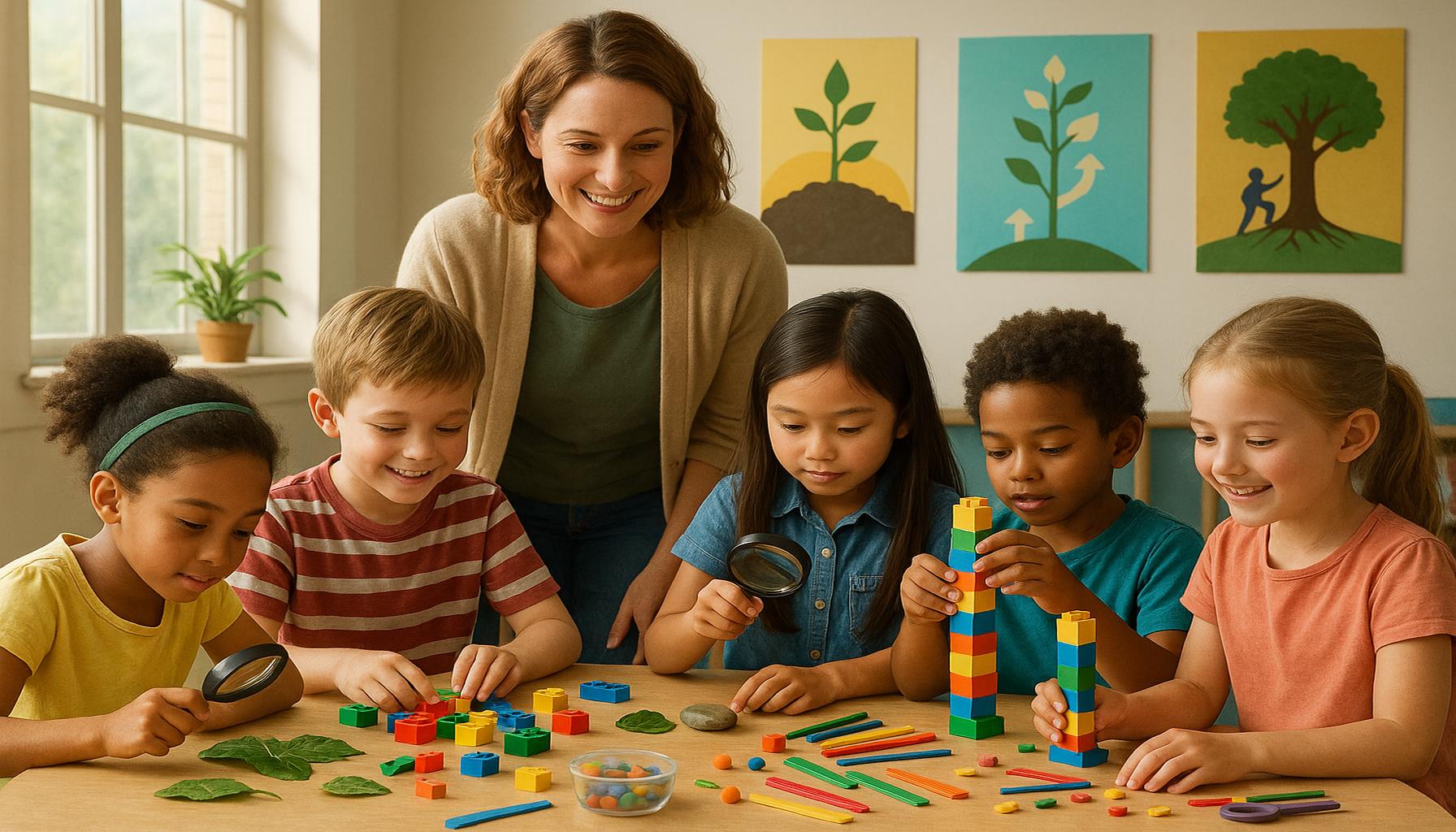
Unlocking Potential Through a Growth Mindset
In today’s rapidly changing world, fostering a strong growth mindset in children has become essential. This innovative approach encourages young minds to embrace challenges, persevere through difficulties, and appreciate the entire learning journey. Understanding how to teach this valuable mindset can transform not only a child’s academic experience but also their overall approach to life, setting them up for future success.
Research shows that children with a growth mindset are more likely to:
- Take on challenges instead of avoiding them. Studies indicate that children who believe their abilities can improve are often more willing to attempt difficult tasks, such as tackling a complex math problem or participating in a school play, because they see these experiences as valuable learning opportunities.
- Learn from criticism and use it to improve. When children view feedback not as a negative judgment but as a tool for development, they can refine their skills and enhance their understanding. For instance, a student given constructive remarks on an essay can apply those insights to elevate their writing in the future.
- Persist in the face of setbacks, seeing them as opportunities for growth. For example, if a child struggles in sports, rather than giving up, they may seek advice, practice more, or try different strategies to improve their performance.
Moreover, instilling a growth mindset lays the groundwork for lifelong learning, enabling children to adapt in an ever-evolving world. Techniques to foster this mindset can be seamlessly integrated into daily activities and lessons. Here are a few effective strategies:
- Encourage an attitude of curiosity and exploration. Parents and educators can promote this by asking open-ended questions that stimulate thinking and invite children to explore various solutions.
- Model resilience by sharing personal experiences. Adults can showcase their own challenges and how they overcame them, demonstrating that learning can be uncomfortable but ultimately rewarding. For instance, discussing a difficult project at work that required numerous revisions can illustrate perseverance.
- Use constructive feedback to guide improvement. Instead of simply pointing out what is wrong, offer specific suggestions on how to enhance a skill or tackle challenges differently, helping children learn from their errors.
By understanding the importance of a growth mindset, educators and parents can take actionable steps to ensure children develop the confidence and skills necessary to succeed. This approach not only nurtures academic excellence but also fosters emotional and social capabilities. As children learn how to navigate challenges, they become resilient learners equipped to thrive in any environment. In the following sections, we will delve deeper into practical techniques that nurture this mindset, creating resilient learners for tomorrow.
Effective Strategies for Cultivating a Growth Mindset
To effectively teach children the principles of a growth mindset, it’s essential to implement practical techniques that resonate with their daily experiences. By integrating these strategies into the classroom and home, adults can help children understand that their abilities and intelligence can be developed through dedication and hard work. Here are several impactful techniques that can foster this positive mindset:

- Promote a Learning Culture: Creating an environment where mistakes are seen as stepping stones to success is crucial. Encourage children to share their failures and triumphs openly, reinforcing the idea that everyone faces challenges. For example, teachers can celebrate effort during class discussions, highlighting stories of famous personalities like Thomas Edison, whose numerous failed attempts eventually led to his innovative inventions.
- Emphasize the Process Over the Product: Shift the focus from outcomes to the learning process itself. Instead of merely rewarding high grades, praise the strategies children used or their perseverance in overcoming obstacles. This can be applied in various subjects, such as math, where the thought process in solving a problem can be just as valuable as the correct answer.
- Use Growth Mindset Language: The words we choose can shape children’s perceptions of their abilities. Encourage phrases that emphasize growth, such as “I can’t do this yet” rather than “I can’t do this.” Such rephrasing empowers children to view skill acquisition as a journey, rather than an unalterable state.
- Set Learning Goals: Help children to set specific, measurable, and achievable goals that focus on their personal growth. For instance, rather than setting a goal to finish homework on time, a child could aim to understand a specific math concept better. This not only keeps them motivated but also allows for reflection on their progress.
Incorporating these techniques can create a rich environment for children to develop a resilience that is characteristic of a growth mindset. A transformative aspect of this approach is its potential to change the dialogue around education, shifting from a purely results-driven process to one that values continual development and effort.
Moreover, the integration of technology can further support the nurturing of a growth mindset. Educational apps and online platforms often provide opportunities for children to engage in self-paced learning, allowing them to explore topics they find challenging without the fear of judgment. This fosters autonomy and encourages them to take ownership of their learning journey.
As educators and parents embark on this mission of instilling a growth mindset, they must remain patient and persistent. Cultivating this mindset is not an overnight process but a gradual evolution. By employing these targeted strategies, adults can guide children in realizing their potential and fostering an intrinsic motivation to learn and adapt in an ever-changing world.
Teaching Techniques to Foster a Growth Mindset in Children
One of the most effective ways to cultivate a growth mindset in children is through consistent and systematic approaches in teaching methodologies. The integration of practical techniques into everyday learning can significantly influence the way children perceive challenges and setbacks. Below, we explore some innovative teaching techniques and their advantages that can support educators and parents in fostering a growth mindset.
| Category | Key Features |
|---|---|
| Positive Reinforcement | Encouraging effort, persistence, and improvement rather than just results ignites a desire for learning. |
| Reflection Activities | Having students reflect on their learning process helps them realize the value of perseverance and the lessons learned from failures. |
Implementing these techniques not only motivates children but also creates a learning environment where they feel safe to take risks and explore their capabilities. With the right strategies, students can develop resilience, unlocking their potential to learn more effectively through challenge and persistence. It’s essential for educators and parents to understand and adopt these methods, ensuring children thrive in their academic and personal lives.
Engaging Techniques for Sustained Growth Mindset Development
As we further explore the avenues to foster a growth mindset, it’s essential to introduce engaging and innovative methods that inspire young learners. Education is evolving, and incorporating interdisciplinary tactics can dramatically enhance a child’s ability to embrace challenges. Here are some compelling techniques to consider:
- Incorporate Creative Arts: Using the arts as a medium for self-expression is a potent tool for nurturing a growth mindset. Encourage children to participate in activities like drawing, music, or drama, allowing them to express their understanding and feelings about their learning experiences. For instance, children can create a visual art piece that symbolizes a struggle they overcame, promoting reflection and resilience, while also encouraging their creativity.
- Use Real-World Problem Solving: Integrating real-world scenarios into lessons helps children understand the relevance of what they learn. Present challenges that require critical thinking and collaboration, such as environmental issues or community service projects. This approach not only enhances their problem-solving skills but also reinforces the idea that perseverance in finding solutions is an integral part of learning and growth.
- Encourage Peer Learning: Establish a peer-to-peer learning system that allows children to teach one another. This method not only boosts confidence and reinforces knowledge but also emphasizes that everyone brings unique perspectives and solutions to the table. Organizing study groups where students collaboratively tackle difficult subjects helps solidify their understanding while developing social skills vital to collaboration.
- Integrate Mindfulness Techniques: Teaching children mindfulness practices, such as meditation or deep-breathing exercises, can help them manage stress associated with challenging tasks. Mindfulness promotes an awareness of thoughts and feelings, enabling children to approach obstacles with a calm and focused mindset. For example, introducing a short mindfulness session before a math lesson can prime students to face challenges without anxiety.
- Utilize Gamification: Gamifying lessons can turn learning into an enjoyable experience. Create challenges, quizzes, or educational games that reward effort and persistence rather than simply right answers. Platforms that offer badges for completing learning milestones can motivate children to continue improving their skills while reinforcing the idea that effort leads to accomplishment.
Additionally, leveraging parental involvement in fostering a growth mindset can reinforce these techniques at home. Workshops that educate parents about the importance of their role can cultivate a consistent approach to growth-based learning. When families celebrate effort at home — whether through discussions at the dinner table or recognizing achievements in hobbies — they contribute to a child’s enduring belief in their ability to grow and adapt.
Another pivotal area to explore is the role of feedback. Providing constructive feedback that focuses on the effort and strategies employed rather than the end result supports the child’s learning process. Research indicates that feedback significantly impacts children’s motivation and perception of their abilities. Regularly discussing areas for improvement and celebrating small victories encourages children to view learning as a continuous journey, filled with opportunities for growth.
In sum, by adopting a multidimensional approach to teaching techniques, educators and parents can create a fertile ground for cultivating a growth mindset in children. With awareness, creativity, and collaboration, we can inspire resilience and develop lifelong learners ready to tackle the challenges of the future.
Conclusion
In conclusion, fostering a growth mindset in children is not just a educational strategy; it is a transformative approach that empowers young learners to embrace challenges, persist in the face of setbacks, and cultivate a love for lifelong learning. By implementing diverse teaching techniques, such as incorporating creative arts, engaging in real-world problem-solving, and encouraging peer learning, educators and parents can create a dynamic learning environment that reinforces the belief that intelligence and abilities can be developed through effort and dedication.
Additionally, integrating mindfulness techniques and employing gamification methods together can enhance children’s motivation and emotional well-being, making learning not only productive but enjoyable. The significant role of parental involvement cannot be overstated; it is essential that parents support these principles at home by celebrating effort and creating an open dialogue about the learning process. Furthermore, effective feedback tailored to focus on effort rather than just outcomes can help children internalize a growth-oriented perspective, encouraging them to see failures as stepping stones rather than roadblocks.
As educators and caregivers, it is our responsibility to equip children with the mindset needed to thrive in an ever-evolving world. By prioritizing these techniques, we prepare them not only for academic challenges but also for life’s myriad obstacles, paving the way for future success. Therefore, as we look towards the future, let us commit to fostering resilience, adaptability, and a deep-seated belief in potential among the next generation. The journey of learning is intricate, but together, we can make it a rewarding experience that shapes confident, capable individuals ready to impact the world.
Related posts:
The Importance of Daily Practice to Cultivate a Growth Mindset
Daily Practices to Build Mental Resilience
Developing Resilience Through Daily Positive Mindset Habits
Success Stories: Examples of Growth Mindset in Action
Daily Techniques to Turn Failures into Learning Opportunities
Mindfulness and Growth Mindset: Daily Practices for Success

Linda Carter is a writer and growth mindset specialist with expertise in cognitive development and resilience training. With extensive experience helping individuals transform limiting beliefs and unlock their potential, she shares practical mindset strategies on our platform. Her goal is to empower readers with science-backed techniques to cultivate adaptability, embrace challenges, and achieve continuous personal and professional growth.