Simple Growth Mindset Strategies for Your Daily Routine

Unlocking Your Potential
In today’s rapidly changing world, fostering a growth mindset is more essential than ever. This concept, coined by psychologist Carol Dweck, emphasizes the belief that abilities and intelligence can be developed through dedication and hard work. By adopting simple strategies, you can transform your daily routine and enhance your overall mindset.
A growth mindset not only encourages resilience and perseverance but also opens doors to new opportunities and lifelong learning. To help you cultivate this empowering perspective, we’ve compiled a list of Top 5 effective strategies that you can easily integrate into your everyday life. These approaches are designed to challenge limiting beliefs and inspire a more adaptable and open mindset.
Explore these practical techniques that can lead to profound personal and professional growth:
- Embrace challenges as opportunities for learning.
- Seek feedback constructively to identify growth areas.
- Celebrate effort and progress, not just results.
- Cultivate curiosity and pursue new interests.
- Surround yourself with a supportive, growth-oriented community.
Dive into these strategies, and discover how they can reshape your perspective and daily habits for a more fulfilling life.
Top 5 Simple Strategies to Cultivate a Growth Mindset in Your Daily Routine
In today’s fast-paced and ever-evolving world, the quest for personal development and fulfillment has led many to explore the concept of a growth mindset. Coined by psychologist Carol Dweck, a growth mindset is the belief that abilities and intelligence can be developed through dedication, effort, and perseverance. This perspective fosters resilience, creativity, and a thirst for learning—qualities that are essential in achieving both personal and professional milestones. Below, we delve into five simple yet transformative strategies that seamlessly integrate into your daily routine to cultivate and reinforce a growth mindset.
5. Embrace Challenges
A cornerstone of developing a growth mindset is learning to embrace challenges with an open heart. Challenges present invaluable opportunities for personal and skill development, offering a chance to emerge stronger and more knowledgeable. Instead of avoiding difficult tasks, reframe your perception, and view them as a ladder toward enhancing your capabilities. Embracing challenges might initially feel daunting; however, it is through facing adversity that we truly grow.
Putting it into Practice
To incorporate this within your routine, start by identifying an area in your life where challenges often discourage you. This could be a professional skill you wish to enhance or a personal goal you’ve been hesitant to pursue. Set small, manageable goals that push your boundaries, incrementally increasing the difficulty as your confidence and competence grow. This gradual approach ensures that you are persistently moving forward without overwhelming yourself.
Remember, the focus should not only be on the outcome but on the learning journey itself. Reflecting on each challenge, analyzing what went right or wrong, and considering how you can improve will help cultivate a mindset that sees value in the process. By regularly challenging yourself, resilience and adaptability become instinctive—key traits of a robust growth mindset.
4. Practice Positive Self-Talk
Self-talk is the internal dialogue we have with ourselves and plays a critical role in shaping our mindset. Positive self-talk can revolutionize your outlook on obstacles and failures, reinforcing a growth-orientated belief system. When you encounter setbacks, nurturing a habit of reframing negative thoughts fosters an environment where learning and improvement are prioritized over self-criticism.
Implementing Positive Self-Talk
Begin each day by affirming your abilities and potential for growth. Simple affirmations like “I am capable of learning new skills” or “I embrace challenges and grow through them” can have a profound impact on your mental attitude. Moreover, when facing difficulties, replace defeatist language such as “I can’t do this” with empowering alternatives like “I can learn how to do this.” Additionally, surrounding yourself with supportive individuals who encourage and celebrate your growth impacts significantly on cultivating a positive mindset.
This practice not only boosts your self-esteem and confidence, but it also primes your brain to approach challenges with curiosity and openness, integral aspects of a growth mindset that drive learning and resilience.
3. Seek Feedback and Learn from It
Feedback is an invaluable tool in the process of personal and professional development. Actively seeking constructive feedback from peers, mentors, or through self-reflection is instrumental in understanding your strengths and identifying areas for improvement. Viewing criticism as a path to growth rather than a personal affront is critical to maintaining a growth-oriented mindset.
Maximizing Feedback
To benefit from feedback, cultivate a habit of asking specific questions that elicit helpful insights. This involves requesting not just areas for improvement but also understanding your strengths. Approach criticism as a stepping stone for enhancement rather than a roadblock, fostering an environment where feedback is seen as guidance. Regular self-assessment, comparing your progress with your goals, transforms feedback into a powerful tool for continuous growth and learning.
By embedding the practice of seeking and leveraging feedback into your routine, you create a feedback loop of ongoing improvement, ultimately nourishing a consistent growth mindset.
2. Set Learning Goals Rather Than Performance Goals
When setting goals, it is beneficial to focus on learning goals as opposed to performance goals. While performance goals are outcome-driven, learning goals emphasize the acquisition of new skills and knowledge, ensuring that the process is valued as much as the result.
Shifting the Focus to Learning Goals
When setting goals, identify the specific skills or knowledge you wish to acquire, emphasizing the steps involved in learning rather than merely aiming for a result. By doing so, you cultivate an attitude of persistence and intentionality, redirecting focus from mere performance to growth and development. Intermittently reflect on your learning journey, tweaking your strategies as needed based on insights and new discoveries.
By prioritizing learning over performance, you encourage a mindset that relishes the process of growth, naturally steering clear of a fixed mindset and enhancing your personal and professional capability.
1. Cultivate Curiosity
The most potent strategy to foster a growth mindset is to cultivate curiosity. This powerful trait drives exploration and innovation, essential for fostering lifelong learning and personal development. A curious mind constantly seeks new information, embraces different perspectives, and isn’t afraid to ask questions—pivotal behaviors in developing a growth-oriented mentality.
Embracing Curiosity
To nurture curiosity, dedicate time to exploring topics or activities that pique your interest. Allocating weekly periods for exploring a new hobby, reading about different cultures, or learning about advancements in various fields can spark curiosity and open mental horizons. Asking open-ended questions that provoke thought and spark discussion further fuels curiosity and enhances learning.
Engage with people from diverse backgrounds, exposing yourself to new perspectives and ideas. Conversations with others enrich your understanding of the world, encouraging exploration and experimentation. By fostering curiosity, you lay the foundation for continuous growth, discovery, and enlightenment, both personally and professionally.
Incorporating these five strategies into your daily routine not only cultivates a resilient and growth-oriented mindset, but these techniques also unlock potential, drive achievement, and lead you towards a fulfilling and dynamic life journey. The pursuit of a growth mindset is not a destination but a glorious, lifelong journey of discovering your ultimate potential.
| Category | Key Features |
|---|---|
| Continuous Learning | Emphasizes the importance of lifelong education and seeking knowledge beyond formal settings. |
| Emotional Resilience | Encourages the development of coping strategies for adversity, highlighting the value of persistence. |
| Goal Setting | Promotes establishing specific, measurable objectives that foster continual growth and achievement. |
| Feedback Utilization | Stresses the significance of constructive criticism as a tool for personal and professional development. |
In the realm of developing a growth mindset, the concept of continuous learning is pivotal. This strategy transcends traditional educational frameworks, advocating that holistic enlightenment can be obtained from various sources including books, podcasts, and engaging discussions. The pursuit of knowledge fosters curiosity and opens doors to innovative ideas that can transform mundane routines into invigorating quests for self-improvement.Alongside this, emotional resilience plays a crucial role. Facing challenges with a mindset that views difficulties as opportunities is essential in nurturing growth. Developing emotional agility allows individuals to navigate shortcomings without becoming disheartened, enabling them to rebound with newfound determination. In this context, the ability to adapt and persist is not merely a reaction, but a proactive strategy that can redefine personal limitations.The third pillar involves goal setting. Crafting clear, attainable goals is instrumental in cultivating a growth mindset. This process doesn’t just enhance focus but also empowers individuals to measure their progress effectively. Breaking larger aspirations into smaller, actionable steps makes the journey towards growth feel more achievable, simultaneously building confidence with each milestone reached.Lastly, feedback utilization is an often-overlooked element in this equation. Embracing feedback, especially when it is constructive, can be transformative. Instead of seeing criticism as a setback, individuals with a growth mindset interpret it as a vital resource for enhancement. This mindset shift encourages continuous reflection and adaptation, fostering a culture where learning from others is not just welcomed but actively sought after.By incorporating these strategies into daily life, individuals can create a fertile ground for growth, ultimately leading to a more enriched, fulfilling existence infused with purpose and potential.
Frequently Asked Questions about Cultivating a Growth Mindset
What is a growth mindset, and why is it important?
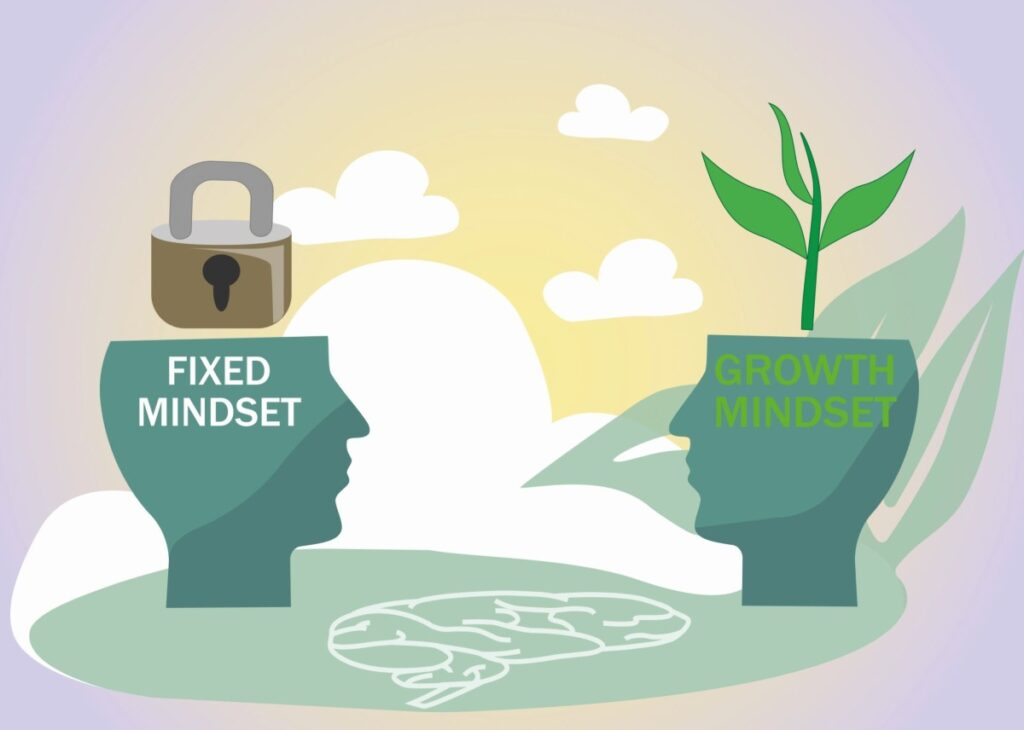
A growth mindset is the belief that talents and abilities can be developed through dedication and hard work. This mindset contrasts with a fixed mindset, wherein people believe that their qualities are set in stone. Understanding the importance of a growth mindset is crucial as it encourages resilience and persistence. By cultivating a growth mindset, you can enhance your learning process, leading to personal and professional development. Ultimately, it can be a strong determiner of success and innovation.
How can I incorporate growth mindset strategies into my daily routine?
Incorporating strategies to develop a growth mindset in your routine can be seamlessly integrated with a few deliberate actions. Start by setting specific, achievable goals and celebrate incremental progress. Embrace challenges as opportunities to learn rather than as obstacles. Reflection is also key; take time to reconsider setbacks as steps towards improvement. Over time, these strategies can be transformative, encouraging a more open-minded approach to personal growth.
What are some common challenges when trying to develop a growth mindset?
One of the main challenges is overcoming the deeply ingrained habits of a fixed mindset. People often struggle with fear of failure, which can hinder progress. The discomfort of stepping outside familiar territory can also be intimidating. Additionally, societal pressures that emphasize natural talent over effort can pose a barrier. It’s important to remember that these challenges are common, and with perseverance, they can be overcome, thus making room for a more adaptive approach to learning and achieving.
Can cultivating a growth mindset impact my professional life?
Yes, developing a growth mindset can have a profound impact on your professional life. By fostering flexibility and adaptability, you are better equipped to take on new challenges and excel in the face of adversity. Employers value individuals who are willing and able to grow with the demands of the industry. Moreover, a growth mindset encourages collaboration and innovation, qualities highly sought after in today’s dynamic work environments.
Are there any scientific studies supporting the growth mindset theory?
There is a substantial body of scientific research supporting the growth mindset theory. Started by psychologist Carol Dweck, studies have shown that individuals with a growth mindset tend to achieve more than those with a fixed mindset, as they worry less about seeing smart and more about learning. This has led educational institutions and companies to incorporate mindset development as a tool to boost performance. The increasing emphasis on empirical studies further bolsters the understanding and application of mindset strategies globally.
Conclusion: Cultivating a Growth Mindset Daily
As we have explored, fostering a growth mindset is about nurturing a belief in one’s ability to improve and adapt. The strategies we’ve discussed serve as powerful tools in transforming this concept into a daily habit. By addressing the overall approach, we emphasize the long-term benefits of integrating these practices into everyday life.
Among the top strategies, regularly seeking feedback and viewing challenges as opportunities are foundational. These approaches empower individuals to break free from the limitations of a fixed mindset, encouraging continuous learning and resilience. Embracing challenges not only builds confidence but also prepares us for future uncertainties.
Incorporating mindfulness and self-reflection is equally paramount. Regular introspection allows us to assess progress and redefine goals, ensuring our actions align with a growth-oriented perspective. Practicing mindfulness helps maintain focus and reduce stress, fostering a calm environment conducive to growth.
Another vital aspect is embracing failure as a learning tool. By reframing setbacks as experiences from which we can learn, we open ourselves to endless possibilities. This shift in perception enhances our adaptability, making us more robust in the face of adversity.
Lastly, surrounding oneself with like-minded individuals creates a supportive network that reinforces a growth mindset. This community acts as a catalyst, inspiring and motivating us to continue pursuing personal and professional development with unwavering resolve.
The significance of these strategies cannot be understated. By incorporating them into our daily rituals, we set the stage for a transformative journey marked by continuous growth and improvement. Embracing this mindset is not just a choice; it’s a commitment to unlocking our full potential. With determination and consistency, the adoption of a growth mindset will lead to profound personal and professional achievements, inviting us to discover and expand the boundaries of our capabilities.
Related posts:
Success Stories: Examples of Growth Mindset in Action
Setting Daily Goals to Foster Personal Growth
Daily Techniques to Turn Failures into Learning Opportunities
Teaching Techniques to Foster a Growth Mindset in Children
How Daily Gratitude Can Boost Your Growth Mindset
Growth Mindset Techniques for Daily Use with Kids Teens

Linda Carter is a writer and growth mindset specialist with expertise in cognitive development and resilience training. With extensive experience helping individuals transform limiting beliefs and unlock their potential, she shares practical mindset strategies on our platform. Her goal is to empower readers with science-backed techniques to cultivate adaptability, embrace challenges, and achieve continuous personal and professional growth.