Practical Exercises to Strengthen Your Daily Resilience

The Importance of Resilience in Everyday Life
In today’s fast-paced world, the ability to bounce back from challenges is more crucial than ever. Resilience is not merely an innate trait; it is a skill that can be cultivated intentionally through practical exercises tailored to fit your daily routine. The essence of resilience lies in our capacity to adapt and thrive amid adversity, which is increasingly relevant as we face a myriad of unique stressors.
Many individuals encounter a range of stressors that can significantly impact mental health and overall well-being. A few of the most common challenges include:
- Work-related stress: Long hours, tight deadlines, and job insecurity can contribute to anxiety and burnout.
- Personal relationships: Conflicts with family, friends, or romantic partners can create emotional turmoil.
- Health concerns: Chronic illnesses or sudden health changes can lead to feelings of helplessness or despair.
Addressing these challenges requires an active approach. By embracing resilience-building techniques, you can:
- Enhance your emotional intelligence: This involves cultivating self-awareness and understanding your emotions to manage them constructively. For example, journaling your feelings can help clarify your emotional state and lead to more thoughtful responses in stressful situations.
- Improve your problem-solving skills: Adopting a strategic mindset enables you to tackle issues methodically, instead of feeling overwhelmed. Techniques such as breaking down problems into smaller, manageable steps can drastically improve your ability to cope.
- Foster a growth mindset: This perspective encourages viewing setbacks as opportunities for learning rather than insurmountable barriers. An individual who experiences job loss, for instance, can see it as a chance to explore new career paths or enhance their skills through education or training.
Engaging in consistent resilience practices can lead to substantial benefits, including increased confidence and a greater sense of control over your life. For example, participating in community support groups can provide a network of individuals who share similar experiences, fostering a sense of belonging and understanding.
This article delves into a variety of effective exercises designed to bolster your resilience, equipping you with the tools you need to face life’s hurdles head-on. Techniques such as mindfulness meditation, regular physical activity, and seeking professional help when necessary can fortify your mental health. By implementing these strategies into your routine, you not only improve your resilience but also enhance your overall quality of life.
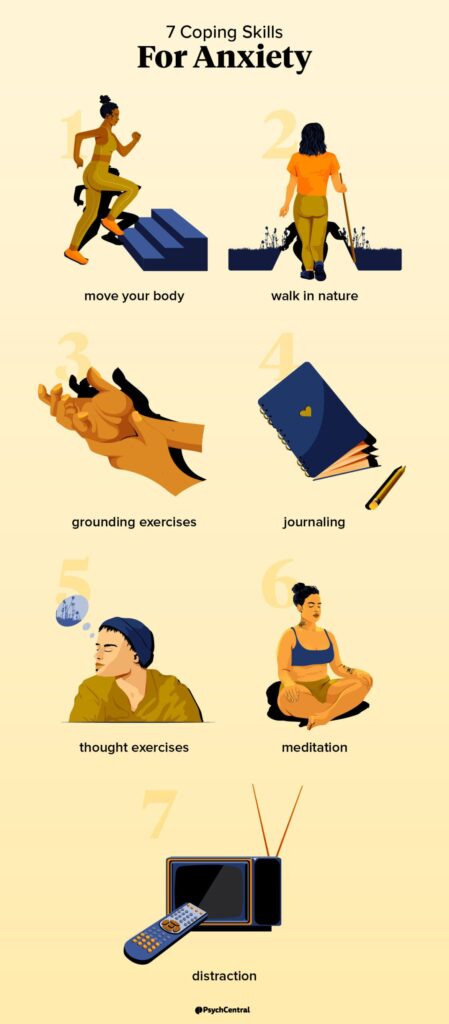
Ultimately, resilience is a vital skill that can empower you to navigate life’s challenges with grace and strength. The journey to becoming a stronger version of yourself begins with the commitment to develop this essential capability.
Practical Exercises to Build Everyday Resilience
Resilience does not manifest overnight; it requires intentional practice and dedication. By incorporating practical exercises into your routine, you can foster a resilient mindset and equip yourself with the necessary skills to tackle life’s obstacles. The following exercises can significantly bolster your resilience and help you develop coping strategies that benefit both your mental and emotional health.
1. Mindfulness Meditation
Mindfulness meditation is one of the most effective techniques for enhancing resilience. It helps you cultivate a greater awareness of your thoughts and feelings, promoting emotional regulation. Engaging in a daily mindfulness practice, even for just a few minutes, can help you manage stress and reduce anxiety. Research shows that mindfulness can lead to brain changes that improve emotional resilience. To get started, find a quiet space, sit comfortably, and focus on your breath. Allow your thoughts to come and go without judgment, gradually training your mind to stay grounded in the present moment.
2. Physical Activity
Regular physical activity is vital not only for physical health but also for mental well-being. Exercise releases endorphins—the body’s natural mood lifters—which can diminish feelings of stress and anxiety. Aim for at least 150 minutes of moderate aerobic activity each week, as recommended by health experts. This could be brisk walking, cycling, or even dance classes. Additionally, incorporating activities such as yoga can combine physical movement with mental focus, further enhancing your resilience. Engaging in a community exercise program can also deepen your social connections, contributing to your emotional strength.
3. Journaling
Writing about your experiences allows you to process your thoughts and emotions, ultimately leading to increased resilience. Consider keeping a daily journal where you reflect on your feelings, document challenges you faced, and explore how you overcame them. Writing can serve as a cathartic outlet, enabling you to gain insights into your patterns of behavior and emotional triggers. This practice can help you develop a proactive approach to stressors, rather than a reactive one. Research supports the mental health benefits of expressive writing, highlighting its ability to improve overall well-being.
4. Establishing a Support Network
Your social connections play a crucial role in your ability to bounce back from difficulties. Building and maintaining a support network can provide you with encouragement and reassurance during challenging times. Engage with friends, family, or support groups that understand your struggles. Sharing experiences with others who face similar challenges not only fosters empathy but also fosters a sense of belonging. Make it a priority to nurture these relationships, as strong social support has been shown to improve resilience.
5. Setting Realistic Goals
Establishing and pursuing realistic goals can provide you with a sense of purpose and direction in life. Rather than overwhelming yourself with lofty ambitions, break your objectives down into smaller, manageable tasks. By achieving these mini-goals, you create a sense of accomplishment that can boost your confidence and enhance your resilience. Reflect periodically on your progress and adjust your goals as necessary to ensure they remain attainable.
By incorporating these practical exercises into your daily routine, you can build a stronger foundation of resilience. The awareness and skills honed through these practices can empower you to navigate life’s uncertainties with greater ease and confidence, ultimately enhancing your overall quality of life.
| Category | Details |
|---|---|
| Cognitive Resilience | Practicing mindfulness and meditation fosters clarity and reduces stress. |
| Emotional Resilience | Engaging in journaling can help unpack emotions and enhance self-awareness. |
| Physical Resilience | Regular exercise routines boost vitality and mental health. |
| Social Support | Building strong relationships provides a safety net during tough times. |
Resilience is not just about “bouncing back”; rather, it involves a comprehensive approach to enhancing both mental and emotional wellness. By incorporating practical exercises into daily routines, individuals can effectively strengthen their resilience. One such cognitive exercise includes practicing mindfulness and meditation, allowing for a calmer mindset even in the face of adversity. Additionally, journaling can play a pivotal role in emotional resilience. By expressing thoughts and feelings on paper, individuals can explore their emotional landscapes and develop greater self-awareness. Physical health is equally vital; engaging in regular exercise not only enhances physical stamina but also contributes to improved mental health.Furthermore, nurturing social connections provides crucial support that can mitigate feelings of isolation during challenging times. All these aspects work synergistically to cultivate a versatile and robust resilience, making daily challenges more manageable and life more fulfilling.
Enhancing Resilience Through Daily Practices
While the previous exercises offer foundational strategies, diving deeper into resilience-building practices reveals even more avenues to nurture your mental toughness. The following methods can supplement your existing routine and provide additional layers of support as you work to become more resilient in your daily life.
6. Gratitude Practice
Engaging in a gratitude practice has been shown to positively impact mental health and enhance resilience. Taking time each day to acknowledge what you are thankful for can shift your focus from negative thoughts to a more positive perspective. Research indicates that individuals who regularly express gratitude report lower levels of stress and anxiety. You could keep a gratitude journal, jotting down three things you appreciate each day. Whether it’s a successful interaction with a colleague or a sunny afternoon, recognizing the positive aspects of daily life fosters an optimistic mindset, allowing you to better cope with challenges.
7. Learning to Reframe Challenges
Reframing is a powerful technique that enables you to view challenges through a new lens. Instead of perceiving hurdles as insurmountable, practice seeing them as opportunities for growth and learning. This approach involves a cognitive shift where you intentionally focus on potential solutions rather than dwelling on the problem itself. For example, if you miss a deadline at work, instead of viewing it solely as a failure, consider what you can learn from the situation and how it can improve your time management skills. By fostering a growth mindset, you will not only enhance resilience but also become more open to embracing change.
8. Developing Problem-Solving Skills
The ability to effectively solve problems is an essential component of resilience. Engaging in activities that encourage critical thinking can help sharpen your problem-solving skills. Puzzles, strategy games, or even role-playing can stimulate your mind and enhance your ability to assess situations and come up with viable solutions. In addition, practicing decision-making scenarios with friends or family members can build confidence in your choices and make you more adept at navigating real-life challenges. When faced with adversity, having a toolkit of strategies at your disposal can make all the difference in your ability to bounce back.
9. Practicing Self-Care
Prioritizing self-care is crucial for maintaining emotional strength and resilience. Ensure you allocate time for activities that rejuvenate your spirit—this could range from reading a book, taking relaxing baths, or spending time in nature. Engaging in hobbies allows you to unwind, helping you to disconnect from stressors. Research demonstrates that self-care activities can reduce burnout and promote a balanced lifestyle, leading to enhanced resilience. Incorporate at least one self-care ritual into your weekly routine, as it will enable you to recharge and approach challenges with a clearer mind.
10. Embracing Flexibility
Life is unpredictable, and true resilience comes from your ability to adapt and be flexible in the face of change. Embracing flexibility means cultivating an openness to new ideas and approaches, as well as finding alternative solutions when plans go awry. This often requires letting go of rigid thinking and allowing space for spontaneity. For instance, if a significant change occurs in your work life, rather than resisting it, consider how it could lead to new and exciting opportunities. By nurturing an adaptable mindset, you will significantly strengthen your resilience against the unforeseen challenges that life throws your way.
Integrating these enhancement strategies into your daily routine can profoundly enrich your resilience. Each exercise provides unique advantages, helping to equip you with diverse tools and techniques that can be employed during difficult times, ultimately supporting your overall mental and emotional wellness.
Conclusion: Building a Resilient Future
Developing resilience is not a destination but a journey—a continuous process that requires commitment and practice. By integrating the practical exercises outlined throughout this article into your daily routine, you will empower yourself to navigate life’s uncertainties with confidence and grace. From establishing a gratitude practice that fosters positivity to embracing flexibility and honing your problem-solving skills, each strategy offers invaluable tools to strengthen your mental resilience.
Moreover, the importance of mindfulness and self-care cannot be overstated; these elements are crucial for recharging your emotional batteries and promoting overall well-being. As you systematically incorporate these activities into your life, you will not only develop a more robust ability to cope with challenges but also enhance your overall quality of life. Remember, resilience is a skill that can be nurtured and developed over time, and even small, consistent efforts can lead to significant improvements.
While personal circumstances may vary, the underlying principles of adaptability, positivity, and self-awareness remain universal. Consider experimenting with different exercises, adjusting them to fit your unique lifestyle and preferences. Ultimately, the journey of building resilience is a personal one, and by investing in these strategies, you are taking meaningful steps toward creating a resilient and fulfilling life. Embrace this opportunity for growth, and watch as you thrive in adversity.
Related posts:
Strategies for Constructive Feedback to Promote a Growth Mindset
How a Growth Mindset Fosters Resilience
Inspiring Stories of Resilience and Overcoming
Case Studies: People Who Used Resilience to Achieve Success
Resilience Strategies for Youth in Competitive Environments
How Resilience Affects Academic and Professional Success

Linda Carter is a writer and growth mindset specialist with expertise in cognitive development and resilience training. With extensive experience helping individuals transform limiting beliefs and unlock their potential, she shares practical mindset strategies on our platform. Her goal is to empower readers with science-backed techniques to cultivate adaptability, embrace challenges, and achieve continuous personal and professional growth.