Resilience Strategies for Youth in Competitive Environments
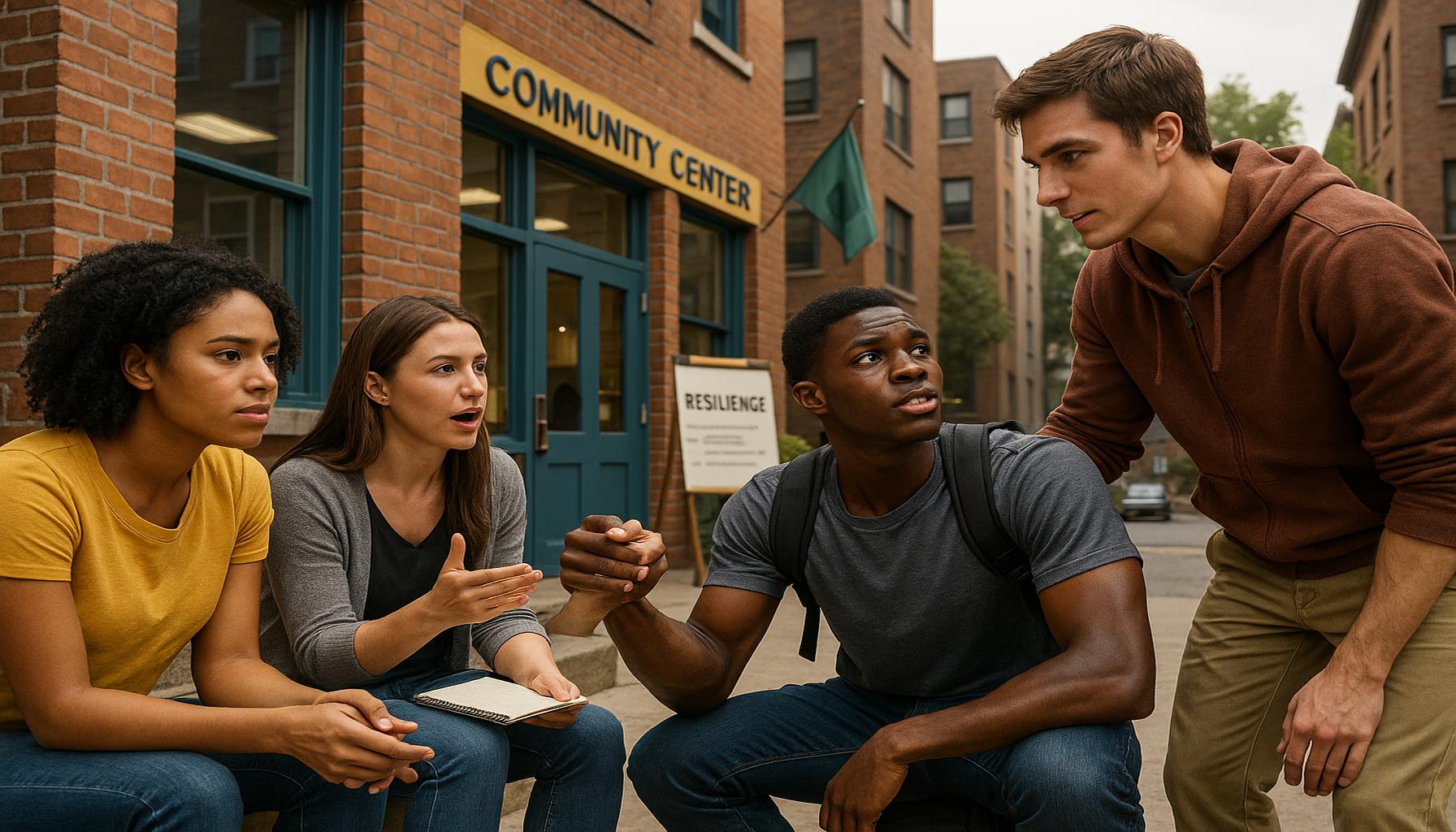
The Importance of Resilience in Youth Development
As young individuals navigate through a rapidly changing world, the pressure to excel in various facets of life can be overwhelming. From the demanding expectations of academic performance to the intense competition in extracurricular activities and the nuanced realm of social dynamics, it is no surprise that many youth experience stress and anxiety. In this context, fostering resilience is essential not merely for coping but for thriving amidst adversity.
Resilience is often defined as the capacity to recover quickly from difficulties, but it extends beyond mere recovery. It encompasses a suite of skills that allow individuals to adapt to changing circumstances and confront challenges head-on. Young people encounter various pressures that test their resilience:
- Academic Challenges: In the United States, students face a growing emphasis on standardized testing and high-stakes assessments, which can contribute to significant anxiety. For instance, high school students now often juggle Advanced Placement (AP) courses while preparing for college admissions, creating a pressure cooker environment.
- Social Pressures: The digital age introduces complex social dynamics, especially through the lens of social media. Young individuals constantly compare themselves to curated images of their peers, which can lead to feelings of inadequacy and isolation.
- Career Aspirations: With a competitive job market and increasing demands for specialized skills, teenagers feel the pressure to prepare for internships and future careers as early as middle school.
To navigate these challenges successfully, it is vital for youth to learn and implement effective resilience-building strategies. Some of the most impactful methods include:
- Goal Setting: By cultivating the habit of setting specific, realistic objectives, young individuals create a clearer path toward their aspirations. This can be as simple as breaking down larger tasks into smaller, manageable goals, fostering a sense of accomplishment along the way.
- Mindfulness Practices: Techniques such as meditation, yoga, or even regular physical activity have proven beneficial in reducing stress levels. Schools and community organizations are increasingly incorporating mindfulness workshops to help students develop these essential practices.
- Support Networks: Establishing connections with mentors, family members, and peers enhances emotional support. For example, participating in group activities or clubs can strengthen these relationships, providing a solid foundation during tough times.
By equipping the youth with these tools to nurture their resilience, we empower them to tackle the intricacies of competition and emerge more robust from their experiences. This ongoing endeavor not only fosters individual growth but also contributes to building a more resilient society. As educators, parents, and community leaders explore and implement these strategies, they can uncover valuable insights into fostering resilience in the upcoming generations.
Effective Resilience Strategies for Today’s Youth
In the face of mounting pressures, equipping youth with practical resilience strategies is pivotal. These approaches not only enable them to weather challenges but also enrich their emotional and mental frameworks for future endeavors. In exploring resilience-building strategies, we uncover multifaceted tools that can significantly enhance the ability of young individuals to thrive.
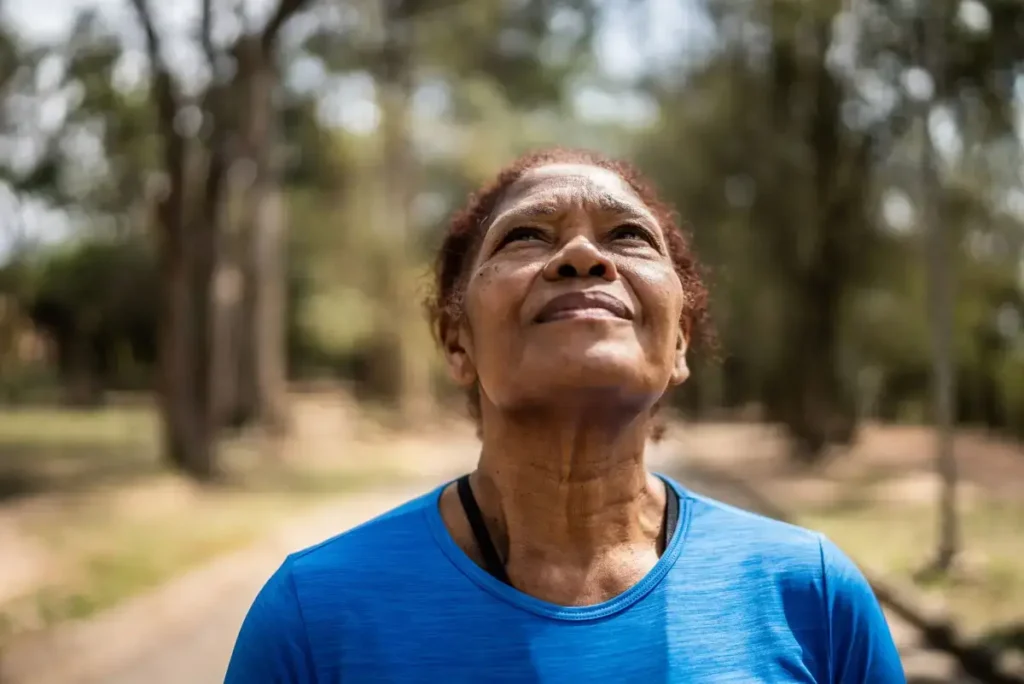
One of the most significant resilience strategies is the incorporation of structured goal setting. When young people articulate clear, achievable goals, they create a lucid roadmap for success. Research indicates that individuals who set specific objectives are more likely to maintain motivation and effectively allocate their time. For example, a high school student aiming for college might break down their application process into smaller tasks, such as researching schools, drafting personal statements, and preparing for interviews. This structured approach mitigates overwhelming feelings and imbues a sense of control over their journey.
Mindfulness practices have also gained traction as valuable tools for enhancing resilience. Regular engagement in mindfulness techniques such as meditation, deep breathing, and yoga has been shown to reduce stress and improve focus. A study from the American Psychological Association found that mindfulness can significantly lower anxiety levels among adolescents, which is crucial in high-pressure environments. Schools in various states are adopting these practices, incorporating mindfulness sessions into the curriculum to cultivate a culture of well-being.
Furthermore, creating and nurturing support networks is essential in building resilience. Establishing connections with peers, mentors, and family can provide young individuals with emotional sustenance during tough times. Engaging in group activities and extracurricular clubs not only offers a sense of community but also fosters a shared environment where challenges can be openly discussed and addressed. For instance, participating in an after-school program can grant students access to adult mentors who offer guidance and camaraderie, reinforcing their emotional and psychological support systems.
Additionally, youth can benefit from developing problem-solving skills. Facing obstacles head-on and analyzing potential solutions fosters a sense of agency. Engaging in activities that require critical thinking—such as debate clubs or STEM projects—encourages young individuals to tackle problems creatively and collaboratively. This skill set is indispensable as they navigate academic and personal challenges, leading to a stronger sense of self-efficacy.
Ultimately, the integration of these resilience strategies not only prepares youth to succeed in competitive environments but also instills lifelong skills that can carry them through various stages of life. By focusing on goal setting, mindfulness, support networks, and problem-solving, parents, educators, and communities can play instrumental roles in cultivating a resilient generation ready to take on the challenges of tomorrow.
Resilience Strategies for Youth in Competitive Environments
In an age where youth are faced with intense competition, developing resilience is crucial for achieving personal and academic success. The ability to adapt, overcome obstacles, and maintain focus under pressure can significantly influence their future. Various strategies can empower young individuals to thrive, and understanding these can deeply impact their mental and emotional well-being.
| Strategy | Description |
|---|---|
| Goal Setting | Establishing clear, achievable objectives motivates youth and provides a roadmap for success. |
| Positive Mindset | Cultivating an optimistic perspective allows young individuals to view challenges as opportunities for growth. |
| Support Systems | Building a network of mentors, peers, and family enhances strength during difficult times. |
Implementing these resilience strategies not only equips youth with the tools needed for success in competitive environments but also promotes a healthier mental state. Encouraging youth to embrace failures as learning opportunities can foster long-term growth and persistence. As they navigate various challenges, these skills will serve as invaluable assets in their lifelong journey.
Moreover, resilience is not merely a one-time effort but a continuous journey. It requires the development of emotional intelligence, adaptability, and increased self-awareness, which are vital features of a competitive mindset.
Cultivating Emotional Intelligence and Adaptability
In addition to practical strategies, nurturing emotional intelligence is vital for developing resilience. Understanding and managing one’s emotions, as well as empathizing with others, allows young individuals to navigate complex social dynamics in competitive settings. According to the Collaborative for Academic, Social, and Emotional Learning (CASEL), integrating social-emotional learning (SEL) into education has shown significant improvements in student performance and mental health.
Programs focusing on emotional intelligence equip youth with skills to respond to stress constructively. For instance, high school workshops that teach students to identify their emotional triggers can transform negative situations into learning opportunities. By practicing self-regulation techniques and enhancing their relational skills, youth can cultivate a supportive environment, fostering healthier peer interactions and greater collaboration.
An equally critical trait in today’s fast-paced world is adaptability. As career landscapes and educational requirements evolve, young people who excel in adapting to change can better handle pressures. One effective way to enhance adaptability is through exposure to various experiences—such as volunteer work, internships, and travel. These opportunities expose youth to diverse viewpoints and problem-solving approaches, broadening their perspective. For instance, engaging in community service projects can develop flexibility while promoting a sense of social responsibility, ultimately preparing them for dynamic environments.
Encouraging a Growth Mindset
Implementing a growth mindset is another cornerstone of resilience strategies. Coined by psychologist Carol Dweck, this concept emphasizes the belief that abilities can be developed through dedication and hard work. Encouraging youth to embrace challenges rather than shy away from them creates a framework for lifelong learning. Schools that implement growth mindset principles inspire students to view failures as stepping stones toward success, fostering perseverance.
For instance, a school focusing on project-based learning often encourages students to iterate on their projects. When a student receives feedback and revises their work, they learn that effort and persistence can lead to positive outcomes. This cultivates resilience by reframing setbacks as opportunities for growth, ultimately fostering a robust belief in their capabilities.
Incorporating Physical Activities
Physical health also plays a pivotal role in resilience development. Regular exercise has been linked to improved mental health, reduced anxiety, and enhanced mood—factors that are immensely beneficial for youth in competitive environments. Participation in sports not only builds physical stamina but also promotes teamwork, discipline, and resilience in the face of competition.
Schools and communities that prioritize physical activities provide youth with avenues to release stress and build camaraderie. For example, joining a local soccer league encourages teamwork and resilience through shared goals and experiencing wins and losses collectively. The endurance gained from regular participation in sports translates into a mental fortitude beneficial for overcoming challenges.
Lastly, promoting a healthy work-life balance is crucial in a culture where over-scheduling can be commonplace. Teaching young people the importance of downtime, hobbies, and relaxation aids in developing resilience. Schools that encourage students to balance academics with extracurricular activities, such as art or music, allow for holistic development. This balance fosters not only academic success but also a well-rounded individual ready to tackle life’s challenges.
Building a Resilient Future
As we navigate the intricate tapestry of today’s competitive environments, the importance of implementing effective resilience strategies for youth cannot be overstated. By fostering essential skills like emotional intelligence and adaptability, encouraging a growth mindset, and promoting physical health, we empower young individuals to face challenges with renewed vigor and determination. Research indicates that youth equipped with these attributes are not only better prepared to handle stressors but also exhibit improved academic performance and overall well-being.
Additionally, as schools and communities begin to adopt holistic approaches that blend emotional learning with practical experiences, such as sports and service projects, we can expect a generation that thrives amid adversity. These resilience-building methods can transform setbacks into vital opportunities for growth, redefining how young people interact with failure and success.
Ultimately, nurturing resiliency in youth today sets the foundation for a more adaptable and innovative society in the future. By prioritizing the mental, emotional, and physical well-being of young individuals, we pave the way for a new era of confident, capable leaders ready to tackle the complexities of tomorrow’s world. Let us invest in our youth with these strategies, ensuring they emerge not just as survivors of competition, but as champions of resilience.
Related posts:
Strategies for Constructive Feedback to Promote a Growth Mindset
The Role of Resilience in Overcoming Failures and Challenges
How a Growth Mindset Fosters Resilience
Inspiring Stories of Resilience and Overcoming
Practical Exercises to Strengthen Your Daily Resilience
Mindfulness and Resilience: Connecting the Present to Personal Growth

Linda Carter is a writer and growth mindset specialist with expertise in cognitive development and resilience training. With extensive experience helping individuals transform limiting beliefs and unlock their potential, she shares practical mindset strategies on our platform. Her goal is to empower readers with science-backed techniques to cultivate adaptability, embrace challenges, and achieve continuous personal and professional growth.