Strategies to Cultivate Grit and Effort in Children and Adolescents with a Focus on Growth Mindset

The Importance of Grit and Effort in Youth Development
In an era characterized by rapid technological advances and constant societal shifts, the importance of instilling traits such as grit and tenacity in young people cannot be overstated. The contemporary landscape often presents challenges that demand more than just talent; they require an enduring spirit and a commitment to push through difficulties. A robust body of research indicates that young individuals with a well-defined growth mindset are not only more adept at facing obstacles but also more likely to achieve significant, long-term goals.
Understanding the profound implications of gritty characteristics can profoundly impact how we foster resilience in children. For instance, children who exhibit grit tend to show a remarkable ability to pursue their interests over long periods, ultimately leading to higher success rates in academics and other pursuits. Angela Duckworth, a psychologist who popularized the concept of grit, emphasizes that success stems more from perseverance and passion than innate intelligence or skill. This insight invites parents, educators, and mentors to cultivate qualities that facilitate this perseverance.
Here’s why focusing on grit and effort is vital:
- Goal Achievement: Research shows that individuals with gritty dispositions are significantly more likely to achieve their long-term aspirations, from academic achievements to career milestones.
- Resilience: Cultivating effort helps youths develop resilience, allowing them to bounce back from setbacks—an essential skill in today’s high-pressure environments.
- Love for Learning: A growth mindset not only aids in overcoming immediate challenges but also instills a deep-seated love for learning, fostering continuous self-improvement and intellectual curiosity.
While natural talent is often revered, it is critical to underscore that effort is a skill that can and should be nurtured. One effective strategy to promote resilience involves encouraging a healthy outlook towards mistakes. For example, parents can guide their children to view failures as stepping stones to success rather than as endpoints. Celebrating small achievements through incremental goals can bolster self-esteem and reinforce the concept that sustained effort leads to progress.
Moreover, modeling perseverance through personal examples creates a powerful learning environment for children. When adults openly share their struggles and demonstrate how they navigated tough times, they provide relatable instances of grit in action, prompting children to emulate these behaviors.
As society continues to place a growing emphasis on mental health and emotional intelligence, understanding and implementing the principles of grit and effort become paramount. By equipping the next generation with these vital tools, we pave the way for them to embrace challenges with confidence, ensuring they not only survive but thrive in a complex world.
Fostering a Growth Mindset: Building Blocks for Grit
Developing grit in children and adolescents is an attainable goal that can significantly influence their outlook and approach towards challenges. Central to cultivating this quality is the concept of a growth mindset, a term popularized by psychologist Carol Dweck. This mindset is characterized by the belief that abilities can be developed through dedication and hard work—a fundamental idea in nurturing resilience and perseverance in young individuals.
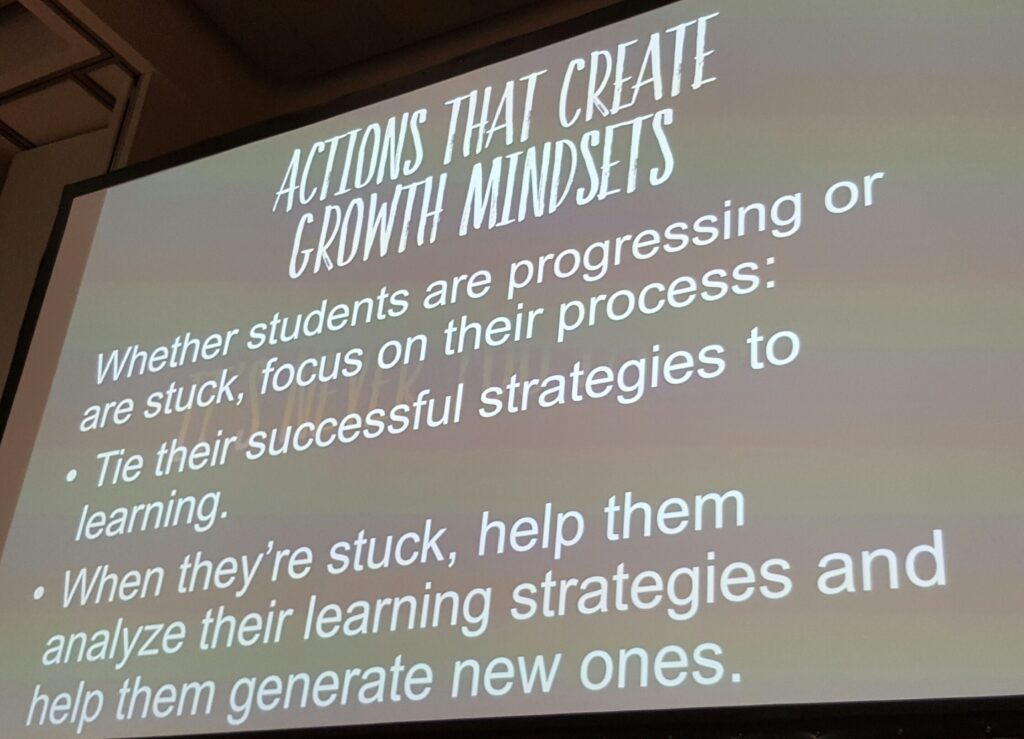
To effectively instill a growth mindset and, subsequently, grit, it is crucial to implement targeted strategies that promote positive thinking and adaptability. Here are several actionable approaches that parents and educators can adopt:
- Encourage Effort Over Outcome: One of the simplest yet most effective strategies is to praise effort rather than achievement. When children receive acknowledgment for their hard work—regardless of the result—they learn that effort is the pathway to improvement. For example, rather than congratulating a child solely for getting an ‘A’, it can be more beneficial to commend them for the hours they dedicated to studying or practicing.
- Set Incremental Goals: Breaking down larger tasks into smaller, more manageable goals is another approach that builds grit. This method not only reduces the intimidation factor but also allows children to celebrate small victories along the way. For instance, if a child is learning music, setting weekly targets for mastering specific sections of a piece can encourage persistence and dedication.
- Teach Coping Strategies: It is essential to equip children with coping mechanisms for dealing with failure and setbacks. Engaging them in discussions about common challenges and collaboratively brainstorming solutions fosters resilience. Sharing stories of well-known figures—like Thomas Edison or J.K. Rowling—who faced numerous rejections before achieving success can provide relatable examples of overcoming adversity through sustained effort.
- Model Growth Mindset Behaviors: Adults play a pivotal role in shaping youngsters’ mindsets. By openly discussing their own struggles and the steps they took to overcome them, parents and educators can exemplify the growth mindset. They can share experiences from their own lives where lessons were learned through failures, emphasizing that understanding and perseverance lead to growth.
When children begin to internalize these strategies, they not only build the capacity for grit but also start appreciating the process of growth itself. They learn to embrace challenges as part of life’s journey, making the transition from a fixed to a growth-oriented way of thinking more fluid and engaging. Fostering grit is not merely about promoting hard work; it is about cultivating a mindset that encourages continual learning and improvement, setting a foundation for lifelong success.
As we delve deeper into these strategies, illuminating their potential impact on children and adolescents’ development, it becomes clear that nurturing grit is a transformative endeavor that can empower the next generation amid an ever-evolving landscape.
| Key Strategies | Benefits of Implementation |
|---|---|
| Encouraging Challenge Acceptance | Fostering resilience in youth by helping them tackle tasks that may seem daunting, allowing them to learn the value of persistence. |
| Modeling a Growth Mindset | Inspiring growth by sharing personal experiences that highlight perseverance, thus reinforcing the idea that effort leads to improvement. |
| Setting Realistic Goals | Enhancing motivation as children learn to achieve small, manageable objectives, gradually building their confidence to take on larger challenges. |
| Providing Constructive Feedback | Promoting improvement by guiding children on how to enhance their efforts, making the learning process more effective and encouraging. |
Exploring these strategies can significantly impact children’s development of grit and effort through a growth mindset. By implementing these approaches, educators and parents can play a pivotal role in shaping resilient individuals who view challenges as opportunities.
Creating Supportive Environments for Grit Development
While instilling a growth mindset in children and adolescents is crucial, creating a supportive environment also plays a significant role in further cultivating grit. This begins with fostering a culture that values persistence and resilience in various settings—be it at home, school, or through extracurricular activities. Here are several strategies to enhance the environment in which children develop grit:
- Promote a Safe Space for Failure: An encouraging environment must allow room for mistakes and failures. Children must learn that setbacks are not ends but rather stepping stones towards improvement. Schools can implement “failure Fridays”, where students share experiences of their failures and what they learned from each. This practice normalizes failure as part of the learning journey, allowing students to discuss their challenges without fear of judgment.
- Encourage Collaborative Problem-Solving: Group work and collaboration can significantly develop grit. When children encounter obstacles along with peers, they actively engage in problem-solving, which reinforces their ability to tackle challenges. Working in teams on projects teaches them to value contributions from others and encourages a sense of camaraderie, strengthening their resolve to push through difficulties together.
- Integrate Grit into Everyday Conversations: For parents and educators, discussing the concept of grit and its importance regularly can help to embed it deeply into children’s understanding. By drawing attention to examples from sports, science, or the arts where grit leads to success—like the perseverance of Olympic athletes or the dedication required to master a challenging discipline—they can inspire youngsters to adopt similar attitudes toward their own struggles.
- Utilize Positive Reinforcement: Positive reinforcement goes beyond merely recognizing effort; it involves providing constructive feedback that emphasizes the qualities associated with grit. Rather than just saying, “Good job!”, it may be more impactful to express, “I admire how you didn’t give up when you faced that tough math problem. That’s the perseverance that will help you succeed!” This specific type of praise nurtures an intrinsic motivation to maintain effort despite difficulties.
Research underscores the importance of a supportive atmosphere in promoting grit. In a study conducted by the University of Pennsylvania, it was found that children who were praised for their perseverance displayed significantly higher levels of resilience and tenacity in the face of setbacks compared to those who received generic praise. This stresses the value of intentional and mindful feedback.
The presence of mentorship can also serve as a crucial element in a supportive environment. In schools, mentorship programs where older students guide younger ones help foster a sense of community and shared growth experiences. This inter-generational dynamic not only provides the younger students with role models but also teaches them the value of loyalty and perseverance within a community context.
Moreover, parental involvement in cultivating grit at home cannot be overstated. Families who engage in activities that promote resilience—whether through sports, challenging puzzles, or even community service—foster a household culture in which persistence and effort are valued and honored. These experiences offer children the chance to practice grit in real-world settings, reinforcing the strategies and mindsets they learn.
In sum, creating an environment that actively promotes the principles of a growth mindset not only nurtures grit but also prepares children and adolescents to approach life’s challenges with determination and confidence. As these supportive foundations are reinforced, the potential for young individuals to thrive in the face of adversity becomes all the more attainable.
Conclusion
In today’s fast-paced, competitive world, equipping children and adolescents with the necessary tools to develop grit and sustain effort is paramount. By focusing on a growth mindset, we empower young individuals to view challenges as opportunities for personal growth and resilience. The strategies outlined—supporting a culture that embraces failure, encouraging collaboration, integrating grit into daily dialogue, and providing tailored positive reinforcement—create environments ripe for cultivating perseverance amidst adversity.
As we engage children in a supportive and nurturing framework, we foster not only their academic and personal growth but also their emotional intelligence. This holistic approach is increasingly vital as our youth navigate the hurdles of modern life. Engaging in community mentorship programs can further enhance their sense of belonging and resilience, while parental involvement ensures that the lessons of grit resonate deeply in their everyday experiences.
Ultimately, the journey towards cultivating grit in young individuals is a shared responsibility—one that requires collaborative effort from parents, educators, and the community. By actively participating in this endeavor, we pave the way for future generations to meet life’s challenges with unwavering determination and confidence. The seeds of grit sown today will not only lead to academic success but also equip our children with the lifelong skills necessary to thrive in an ever-evolving society. Thus, committing to fostering a culture of perseverance and a growth mindset is a powerful investment in a brighter future for our children.
Related posts:
The Role of Effort in Developing a Growth Mindset
Transform Failures into Learning Growth Mindset Strategies Explained
The Importance of Feedback in Building Grit
The Psychology of Mistakes: How a Growth Mindset Can Help
Techniques to Increase Resilience and Personal Effort
Master Constructive Error Handling with a Growth Mindset Approach

Linda Carter is a writer and growth mindset specialist with expertise in cognitive development and resilience training. With extensive experience helping individuals transform limiting beliefs and unlock their potential, she shares practical mindset strategies on our platform. Her goal is to empower readers with science-backed techniques to cultivate adaptability, embrace challenges, and achieve continuous personal and professional growth.