The Role of Resilience in Education: Fostering a Growth Mindset in Students

The Importance of Resilience in Education
In a rapidly evolving educational landscape, students encounter a myriad of challenges, from high-stakes testing to the complexities of social dynamics. As they navigate these hurdles, the ability to cultivate resilience has become a critical skill. This inherent strength allows students not only to cope with setbacks but also to thrive by adopting a growth mindset. Embracing challenges as opportunities for learning can significantly alter a student’s academic trajectory.
Research has consistently shown that resilience plays an indispensable role in overcoming academic hurdles. For instance, students who learn to manage their setbacks effectively are less likely to experience burnout and more likely to persevere even when the going gets tough. This resilience is crucial for success, particularly in high-pressure scenarios such as standardized testing or college applications, where the stakes can feel overwhelmingly high.
Additionally, resilience contributes to self-confidence. When students tackle difficult subjects or projects and experience success—even small victories—they build a belief in their own abilities. This self-confidence is transformative; it encourages them to take on even greater challenges, knowing they have the capacity to succeed despite potential failures or obstacles.
Another critical aspect of resilience is the role of motivation. Students who are resilient tend to maintain their drive even when confronted with failures. They recognize that setbacks are a natural part of the learning process. For example, a student who fails a test might view it as a prompt to seek help or change their study habits rather than a definitive measure of their abilities. This persistence can lead to deeper engagement with the material and a more profound understanding of the subject matter.
Key Features of Resilience
Understanding resilience goes beyond simply recognizing its importance; it is also about identifying its core features. Effective emotional regulation enables students to manage their feelings in stressful situations, allowing them to act thoughtfully rather than react impulsively. Furthermore, adaptive problem-solving skills empower students to brainstorm multiple solutions to challenges, fostering creativity and critical thinking.
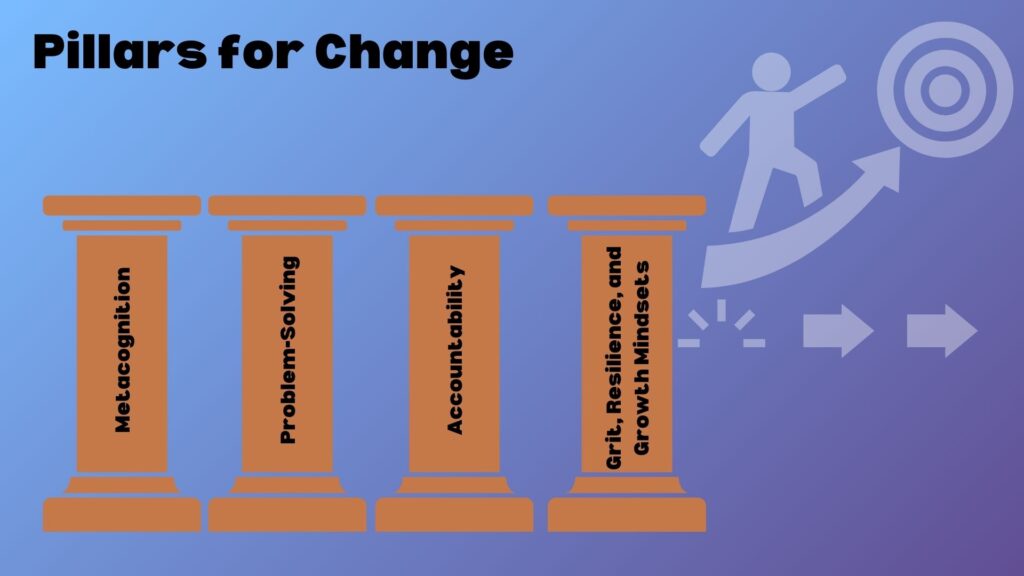
A robust supportive social network is another vital feature of resilience. Students benefit significantly from relationships with teachers, peers, and family members who provide encouragement and constructive feedback. These connections can be especially powerful in states like Minnesota or California, where diverse educational initiatives often promote inclusivity and support among students. Schools that foster such environments see remarkably higher student engagement and lower dropout rates.
By embedding strategies focused on resilience within their teaching methodologies, educators can effectively cultivate a growth mindset in their students. Practical methods such as teaching relaxation techniques, promoting collaborative learning, and emphasizing the process of learning rather than just the outcomes are crucial in this endeavor.
In conclusion, as educational institutions across the United States continue to adapt to the complex needs of their students, prioritizing resilience emerges as a fundamental strategy to prepare learners for both academic and life challenges. By fostering this invaluable trait, we set the stage for students not just to succeed in school but to become resourceful adults ready to navigate the unpredictable paths ahead.
Building Resilience Through Challenges
Central to the cultivation of resilience in education is an understanding of how challenges shape students’ experiences. When faced with difficulties, students can either succumb to defeat or rise to the occasion. This distinction often lies in their ability to adopt a growth mindset, a term coined by psychologist Carol Dweck, which encourages individuals to view their abilities as malleable rather than fixed. Such a perspective transforms obstacles into valuable lessons, turning failure into feedback.
One of the first steps in fostering resilience in students is to expose them to manageable challenges. Educators play a pivotal role in designing activities and assessments that push students just beyond their comfort zones. When students encounter tasks that are too easy, they may not develop the necessary skills to cope with more significant challenges later on. Conversely, when tasks are too daunting, a lack of success can lead to frustration. Striking a balance through scaffolded learning experiences ensures that students feel challenged yet supported.
The benefits of this approach are multifaceted. Research indicates that when students engage with challenging material, they not only enhance their academic skills but also develop a stronger sense of resilience. The process of grappling with difficult concepts cultivates perseverance, a crucial trait that will serve them beyond the classroom. In fact, studies show that resilient students are more likely to take academic risks, such as participating in discussions or tackling advanced placement courses, which can ultimately lead to higher achievement rates.
Practical Strategies for Educators
To effectively promote resilience and a growth mindset, educators can implement several practical strategies:
- Encourage a Safe Mistake Culture: Create an environment where mistakes are viewed as part of the learning process. Celebrating effort rather than just success helps students feel comfortable taking risks.
- Model Resilient Behaviors: Educators can share their own experiences with setbacks and how they overcame them. Such authenticity fosters a connection and sets an example for students.
- Incorporate Goal-Setting Activities: Teach students to set specific, attainable goals. Breaking down larger tasks into smaller, manageable objectives helps them feel a sense of accomplishment along the way.
- Provide Continuous Feedback: Offering constructive criticism allows students to understand their areas of growth. Regular feedback helps them reflect on their learning and adapt their strategies accordingly.
By integrating these strategies within the curriculum, teachers not only facilitate academic success but also equip students with the resilience required to tackle challenges in their future endeavors. This proactive approach positions resilience as a foundational pillar of a modern education, emphasizing the notion that growth is a journey filled with learning opportunities.
In an era where mental health challenges are increasingly prevalent among students, nurturing resilience through a growth mindset becomes not just beneficial, but essential. Educational systems that prioritize these attributes are paving the way for a generation of learners ready to embrace the complexities of life and education alike.
The Importance of Resilience in Educational Settings
One of the pivotal aspects of fostering a growth mindset is the development of resilience among students. Resilience is not merely bouncing back from setbacks; it is about leveraging challenges as opportunities for growth. In educational settings, resilient students are more likely to engage deeply with difficult subjects, as they perceive struggles not as threats but as stepping stones to mastery. This intrinsic motivation can significantly enhance academic performance and overall well-being.Research indicates that students who embody resilience tend to display higher levels of engagement, lower dropout rates, and improved social skills. They are equipped to handle academic pressure, navigating through failures with a positive attitude—crucial in today’s rapidly changing educational landscape. Emphasizing resilience also encourages students to take responsible risks, cultivating their ability to adapt in diverse situations. Moreover, the integration of resilience training within the curriculum supports diverse learners, specifically those facing educational inequities. Programs designed to promote resilience can provide students with valuable tools to not only thrive in school but also excel in life beyond education. Teachers can play a transformative role by modeling resilience, creating an environment that celebrates effort and persistence, and addressing individual student needs.
Methods to Foster a Growth Mindset
Incorporating strategies that emphasize resilience can lead to a profound shift in the classroom atmosphere. Encouraging a classroom culture that rewards effort, rather than innate ability, is an essential component. Techniques such as reflective journaling, collaborative problem-solving, and goal-setting activities can engage students in self-discovery, enhancing their resilience and determination.Furthermore, educators should foster an attitude of constructive feedback. Instead of merely highlighting mistakes, guidance on how to improve can help students learn and grow. This approach not only cultivates a more supportive learning environment but also instills a belief that intelligence and ability can be developed with practice and perseverance.Engaging parents and the community in discussions about resilience can further enhance students’ understanding of the importance of a growth mindset. Workshops, resources, and open communication channels ensure that the message extends beyond school walls, nurturing a holistic approach to education.Ultimately, the cultivation of resilience not only prepares students for academic achievement but also equips them with essential life skills. Strong resilient traits bridge the gap between challenges and success, affirming that the journey towards personal and academic growth is a collective endeavor.
| Advantage | Description |
|---|---|
| Increased Engagement | Resilient students show a higher level of participation and focus in their studies. |
| Enhanced Problem-Solving Skills | Students develop adaptive strategies, enabling them to tackle challenges effectively. |
The Impact of Social-Emotional Learning on Resilience
As educational institutions increasingly recognize the critical intersection of emotional and academic growth, social-emotional learning (SEL) emerges as a vital component in fostering resilience among students. SEL encompasses a range of techniques and practices aimed at enhancing students’ emotional intelligence, self-awareness, and interpersonal skills, nurturing their ability to navigate challenges both in and out of the classroom. The implementation of SEL programs has been shown to significantly improve students’ resilience by fostering a supportive community that values emotional health as much as academic success.
Recent studies illustrate the profound impact that SEL can have on student outcomes. For instance, a meta-analysis by the Collaborative for Academic, Social, and Emotional Learning (CASEL) found that SEL programs can lead to an average 11-percentile-point gain in academic achievement. This correlation stems from the way SEL encourages students to better manage their emotions, thus allowing for improved focus and engagement in their academic pursuits. When students feel emotionally secure, they are more likely to adopt a growth mindset, leading them to tackle challenges head-on.
Integrating SEL into the Curriculum
Schools across the United States are taking innovative steps to integrate SEL into their curriculums. This includes the implementation of structured programs that prioritize emotional learning alongside traditional subjects. For instance, using literature and storytelling, teachers can facilitate discussions around character motivations, which helps students cultivate empathy and reflection. Practical exercises, such as role-playing or collaborative group projects, further allow students to practice social skills and resilience-building techniques in a safe environment.
- Mindfulness Practices: Incorporating mindfulness practices into daily routines can significantly enhance students’ emotional regulation. Techniques such as breathwork and meditation not only reduce anxiety but also promote a greater sense of resilience in the face of setbacks.
- Peer Mentorship Programs: Creating peer mentorship initiatives can foster connections among students. By supporting each other through challenges, students can reinforce their learning of perseverance and the importance of community, driving home the message that resilience is a collective endeavor.
- Teaching Emotional Vocabulary: Educators can guide students in recognizing and expressing their emotions. By learning specific terms to articulate feelings, students enhance their emotional intelligence, making it easier to understand the root causes of their challenges and how to cope with them effectively.
Moreover, integrating parents and guardians into the conversation around SEL can further cultivate resilience in students. Workshops or informational sessions can empower families to support their children’s emotional development at home, reinforcing positive behaviors and resilience strategies learned in school.
The focus on social-emotional learning and its connection to resilience highlights a broader shift in the U.S. educational landscape toward a more holistic approach. Schools that invest in the emotional well-being of their students are not only better preparing them for academic success but are also equipping them with essential skills for lifelong challenges. In a society where pressures are mounting and mental health concerns are rising, this emphasis on nurturing resilience through SEL becomes increasingly vital to educational success and personal development.
Conclusion: Embracing Resilience for Future Success
In the ever-evolving landscape of education, the significance of resilience cannot be overstated. As we navigate a world where challenges and setbacks are inevitable, equipping students with the skills to rise above adversity has become paramount to their growth and success. The integration of social-emotional learning (SEL) into educational frameworks provides a robust foundation for developing resilience. By fostering a culture that values emotional health alongside academic achievement, schools can inspire students to adopt a growth mindset—a belief that effort and perseverance lead to improvement and success.
The practices outlined in this discussion—from mindfulness to peer mentorship—illustrate tangible strategies for nurturing resilience within the classroom. As educators and parents collaborate to create supportive environments, they cultivate not only academically proficient students but also compassionate individuals ready to face life’s uncertainties. As highlighted by research, students engaged in SEL programs demonstrate remarkable gains, proving that emotional intelligence is a key contributor to overall achievement.
Ultimately, resilience is more than a mere skill; it is a mindset that schools can instill within each student, empowering them to confront challenges with confidence and creativity. As we forge ahead, let us commit to fostering resilience as a core component of education, preparing our youth not just for tests and grades, but for the complexities of life beyond the classroom. The benefits promise not only to enrich their educational experiences but also to shape them into adaptable, insightful, and resilient adults ready to contribute positively to society.
Related posts:
How a Growth Mindset Fosters Resilience
Resilience and Success: How a Growth Mindset Drives Overcoming Obstacles
Overcoming Challenges: Applying the Growth Mindset in Difficult Situations
Practical Tips to Boost Positive Mindset in Face of Challenges
Daily Habits Key to Building a Resilient Mindset for Success
How Resilience Affects Academic and Professional Success

Linda Carter is a writer and growth mindset specialist with expertise in cognitive development and resilience training. With extensive experience helping individuals transform limiting beliefs and unlock their potential, she shares practical mindset strategies on our platform. Her goal is to empower readers with science-backed techniques to cultivate adaptability, embrace challenges, and achieve continuous personal and professional growth.