Transforming leftovers into delicious dishes using basic ingredients
Unleashing the Potential of Leftovers in Your Kitchen
In today’s fast-paced society, the urgency to be mindful of our resources has never been more pronounced. Food waste, particularly in the form of leftovers, is often viewed as an inconvenience, tossed aside without a second thought. By embracing a mindset of creativity and resourcefulness, these culinary remnants can be transformed into gourmet meals that not only tantalize our taste buds but also contribute to environmental sustainability and financial savings.
Consider some ubiquitous leftovers that many of us might encounter in our kitchens:
- Cooked chicken
- Vegetable scraps
- Stale bread
- Unwanted rice
- Extra pasta
Each item on this list holds untapped potential for delightful culinary reinventions. For instance, leftover cooked chicken can easily be shredded and sautéed with vegetables and your favorite sauces to craft a delicious stir-fry. Add some soy sauce, ginger, and garlic, and you have a fragrant dish that brightens up any evening meal.
Vegetable scraps often end up in the trash, but they can easily be used to create a robust vegetable stock. Simply gather up those odd bits—think onion peels, carrot tops, and celery leaves—and simmer them with water for a few hours. The result? A rich stock that can serve as a base for soups, stews, or risottos.
Stale bread, often overlooked, can be reincarnated in surprising ways. Transform it into a decadent bread pudding by soaking the bread in a mixture of eggs, milk, sugar, and spices before baking it until golden. This dish can skillfully straddle the line between dessert and breakfast, illustrating the versatility of leftover ingredients.
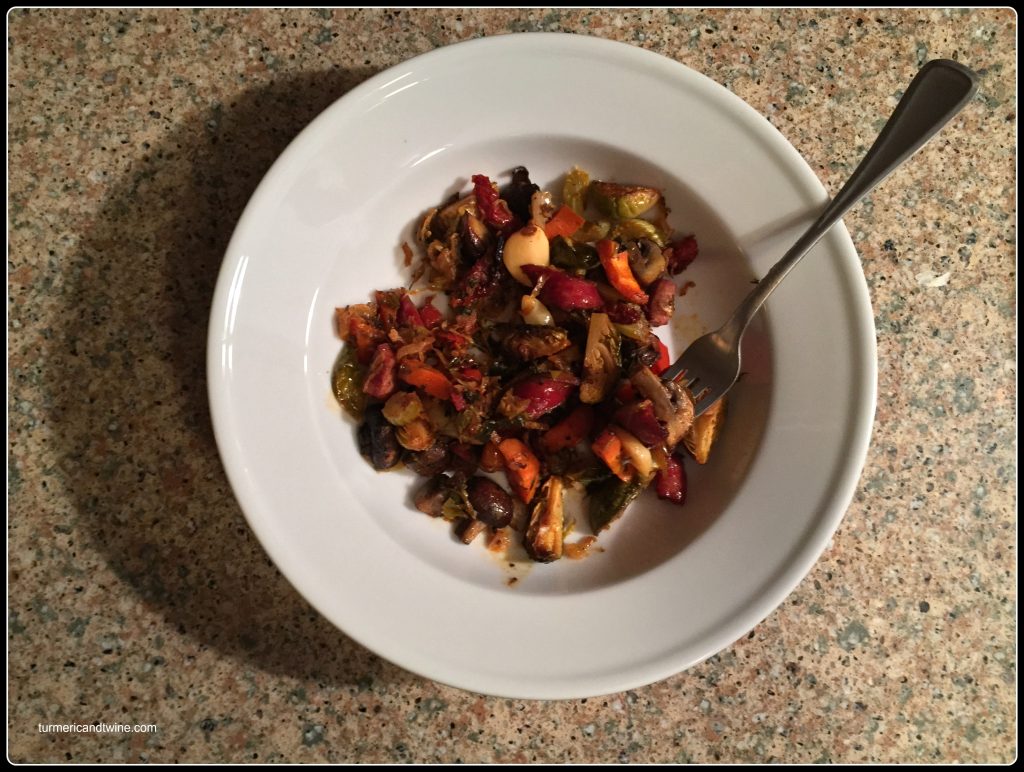
Extra cooked rice or pasta can be cleverly revived, tossed with fresh herbs, vegetables, and a drizzle of olive oil to become a hearty salad or a flavorful fried rice dish. The possibilities are endless and often lead to impressive meals that both you and your guests will enjoy.
By diving into the world of cooking with leftovers, you embark on an adventure that is both economical and eco-friendly. This exercise not only promotes sustainable practices in the kitchen but also allows you to explore innovative cooking methods and discover unique flavor combinations that might have otherwise gone unnoticed. Whether you are a novice cook or a culinary aficionado, embracing your leftovers can lead to gratifying results that impress family and friends alike.
DISCOVER MORE: Click here for quick and budget-friendly meal ideas
Embracing Culinary Creativity with Your Leftovers
Transforming leftovers into delicious dishes is not just a culinary challenge; it’s an art form that opens the door to a world of flavor and imagination. Instead of viewing last night’s dinner as a problem to be solved, see it as an opportunity to create something uniquely scrumptious with a minimum of effort and a handful of ingredients. The trick lies in understanding the fundamentals of flavor and the versatility of basic ingredients.
To kick off your journey, it’s essential to know how to effectively store and handle those leftovers. Many experts recommend ensuring food is properly sealed and refrigerated within two hours of cooking to maintain freshness. Properly stored, most leftovers can last three to four days in the fridge, giving you ample time to breathe new life into them.
Top Ideas for Leftover Transformations
Consider the following methods and recipes to breathe new life into your leftover ingredients:
- Frittatas and Omelets: Leftover vegetables or meats can easily be incorporated into frittatas or omelets. Simply whisk together some eggs, pour in the leftovers, and cook until firm. The result is a hearty meal that is both satisfying and rich in protein.
- Soup or Stew Foundations: Utilize leftover cooked meat and vegetables to form the base of a robust soup or stew. Add broth, spices, and any grains you have on hand to create a nourishing one-pot meal that is perfect for cold months.
- Wraps and Sandwiches: Leftover proteins such as chicken or beef can be placed in tortillas or between slices of bread, along with your choice of greens and sauces. This can lead to a quick, gourmet sandwich or wrap that is easily customizable to personal taste.
- Veggie Stir-fries: Take a handful of leftover vegetables and toss them in a pan with a bit of oil, garlic, and sauce. Paired with leftover rice or noodles, this can transform scraps into a quick and flavorful meal.
- Creative Salads: Use assorted leftovers to craft a salad that features cold grains, proteins, and fresh vegetables. A simple vinaigrette can tie everything together and create a refreshing dish that feels new.
These ideas demonstrate that leftovers can be more than just a quick reheated meal; they can be the foundation of exciting new culinary creations. By experimenting with different ingredients and flavors, you not only minimize waste but also stimulate your culinary creativity.
The real beauty of transforming leftovers lies in the freedom to innovate and adapt recipes according to what you have on hand. This approach not only encourages resourcefulness but also fosters a deeper appreciation for food itself. With every leftover you repurpose, you take a step toward a more sustainable kitchen, creating meals that tell a story of culinary ingenuity.
| Category | Key Benefits |
|---|---|
| Eco-Friendliness | Utilizing ingredients that would otherwise go to waste significantly reduces food waste, contributing to a more sustainable environment. |
| Cost Efficiency | By repurposing leftovers, families can save money on groceries, ensuring that basic ingredients provide maximum value. |
| Nutritional Value | Transforming leftovers often retains the essential vitamins and minerals in ingredients, leading to healthier meal options. |
| Creativity in Cooking | Experimenting with different combinations allows for creativity, creating unique and diverse meals with a few basic ingredients. |
When thinking about transforming your leftovers, don’t overlook the potential for nutritious meals that not only satisfy but also excite your palate. Integrating basic ingredients with last night’s dinner can surprisingly elevate the dish. Think of turning yesterday’s roasted vegetables into a savory frittata or utilizing stale bread for a delightful pudding. The possibilities are endless, encouraging you to explore culinary creativity while being mindful of your budget and the environment. As you delve into this transformative cooking style, consider how each dish can be tailored to meet your tastes and preferences, fostering a deeper appreciation for your meals while promoting sustainable practices.
DISCOVER MORE: Click here for quick meal ideas
Unlocking Flavorful Possibilities with Simple Ingredients
The transformation of leftovers into exquisite meals is not just about mixing and matching; it involves understanding how to unlock flavors and textures through simple cooking techniques. Utilizing basic ingredients allows for the effortless creation of diverse dishes that can please any palate while upholding the principles of sustainability and economizing resources.
Building Your Culinary Toolkit
Before diving into leftover transformations, equip yourself with a few basic kitchen staples that enhance and elevate flavors. Essential items include:
- Herbs and Spices: A collection of dried or fresh herbs (like basil, oregano, and thyme) and spices (such as paprika, cumin, and cinnamon) can dramatically change the profile of any dish, providing complexity and aroma, even with the simplest leftover ingredients.
- Condiments and Sauces: Items like soy sauce, mustard, hot sauce, and dressings are instrumental in adding depth and flavor. Pairing your leftovers with these can instantly transform a bland meal into something vibrant.
- Grains and Legumes: Rice, quinoa, lentils, and beans are versatile staples that can bulk up leftovers, turning a modest dish into a filling feast. These ingredients not only provide essential nutrients but can also absorb flavors beautifully.
- Dairy Products: Cheese, yogurt, and even buttermilk can lend a creamy texture and rich taste to your culinary creations. Cheese can be melted over a dish or incorporated into sauces, while yogurt can be used as a dressing or dip.
Equipped with these basic staples, you are prepared to elevate your leftover landscape into something remarkable.
Popular Leftover Dish Transformations
Here are more unique ideas to help you explore further potential dishes using your leftovers:
- Casseroles: Combine leftover proteins, vegetables, and starches like pasta or potatoes in a baking dish. Layer with cheese and a simple cream or tomato sauce, then bake until bubbly. Casseroles offer a comforting and hearty option, perfect for family meals.
- Breakfast Bowls: Utilize leftover grains, proteins, and any vegetables to create energizing breakfast bowls. Top with a fried or poached egg, avocado, and a drizzle of hot sauce to kickstart your day with a nutritious and delectable meal.
- Pasta Dishes: Leftover cooked or raw vegetables blended with some olive oil and garlic form a quick pasta sauce. Toss with leftover pasta, and you have a restaurant-quality dish in under 30 minutes.
- Pizza or Flatbreads: Use leftover meats and vegetables as toppings on store-bought flatbreads or dough. Customize with cheese and your favorite sauces to achieve a delicious homemade pizza in no time.
The versatility of incorporating leftovers in creative ways is further enhanced by considering different global cuisines. For instance, leftover rice can be molded into rice balls for an Asian-inspired treat or turned into arancini for an Italian twist. The possibilities are endless.
As you explore these transformations, consider using specialized cooking techniques such as roasting, grilling, or sautéing to not only reheat but also enhance the depth of flavor in the dish. By combining these techniques with your leftovers, you can achieve impressive results that surprise both yourself and your guests.
DISCOVER MORE: Click here for quick meal prep ideas
Conclusion: Elevating Leftovers into Culinary Delights
In the art of transforming leftovers into delicious dishes, creativity meets practicality, yielding meals that are both satisfying and resourceful. By embracing basic ingredients—herbs, spices, and pantry staples—you have the power to reinvent last night’s dinner into a culinary masterpiece. This approach not only reduces waste but also encourages innovation in the kitchen, allowing you to explore new flavor combinations and diverse cuisines.
As you take your first steps into this delightful culinary adventure, remember that making the most of your leftovers isn’t merely about necessity, but about discovering the joy of cooking. Whether it’s whipping up a comforting casserole, assembling a vibrant breakfast bowl, or crafting a quick pasta dish, the potential for creativity is limitless. Additionally, experimenting with different cooking techniques—whether grilling, frying, or roasting—can elevate these simple meals into unforgettable experiences.
Ultimately, the journey of transforming leftovers is a sustainable practice that echoes a broader commitment to mindful eating and respect for food resources. The next time you find yourself with leftover ingredients, consider it an opportunity to explore, create, and enjoy a delicious dish that not only satisfies your hunger but also nourishes your imagination. By adopting these strategies, you can elevate your culinary skills while making conscientious choices that resonate with the values of sustainability and creativity. So, the next time you look into your fridge, remember: a world of delectable possibilities awaits with just a sprinkle of innovation.