
Understanding the Importance of Socialization for Pets
Socialization plays a pivotal role in shaping a pet’s behavior and overall well-being. Proper socialization helps pets develop essential skills, allowing them to interact positively with humans, other animals, and various environments. For pet owners, especially in Nigeria, ensuring that pets are socially adept is critical for peaceful cohabitation and community interaction. Lack of socialization can lead to issues such as fear, anxiety, and aggression, which can present significant challenges for pet owners and their neighborhoods.
Consider the following impacts of socialization:
- Improved Communication: Pets that are well-socialized are better equipped to communicate their needs and feelings. For instance, a dog that has been exposed to various sounds and sights is less likely to bark unnecessarily at new stimuli. This not only enhances the dog’s comfort but also fosters better relationships with neighbors who may be sensitive to noise.
- Behavioral Balance: Socialized pets tend to exhibit more balanced behaviors, making them easier to train. An example can be seen in puppies that socialize regularly with other dogs and people; they often learn quicker commands and manners, which can make outings to local parks or markets more enjoyable for all involved. This not only benefits the pet but also the owner and the community.
- Reduction of Fear: Regular exposure to different stimuli, such as children, vehicles, and various sounds, can substantially reduce fear-based reactions. A well-socialized pet is more likely to remain calm in bustling environments, such as Lagos’ vibrant markets or during festive processions, mitigating potential mishaps.
For pet owners in Nigeria, understanding how to effectively socialize pets is crucial and requires a thoughtful approach. It goes beyond simply introducing them to other animals. Here are some tips to consider:
- Engage in regular playtime with diverse groups of pets. This could involve joining pet meet-ups, where animals can interact and familiarize themselves with different temperaments.
- Expose pets to various environments, from bustling markets to quiet parks. Taking the time on weekends to explore new neighborhoods can provide valuable experiences for pets.
- Utilize training sessions to reinforce positive behaviors in new situations. Enrolling in obedience classes or finding local trainers skilled in positive reinforcement can help solidify good manners in varied settings.
Ultimately, a well-socialized pet leads to a harmonious home environment. By understanding the intricacies of socialization, pet owners can raise balanced companions that thrive both at home and in public, promoting a sense of community and reducing the chance of negative interactions. Investing time and effort into socializing pets not only enhances their quality of life but also cultivates deeper connections within the family and the surrounding community.
CHECK OUT: Click here to explore more
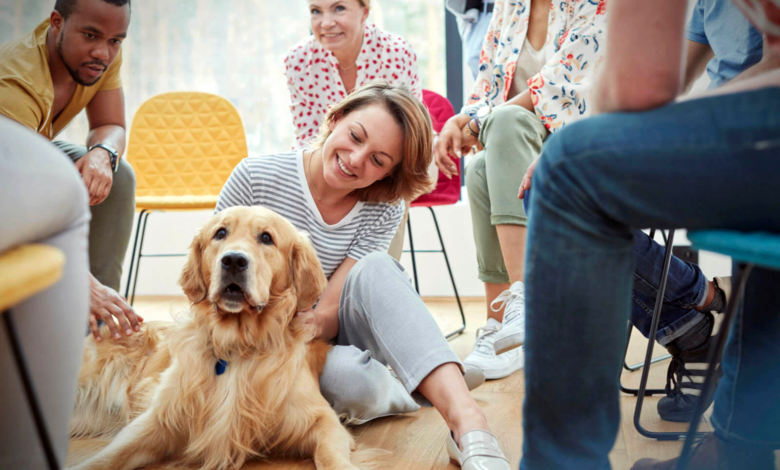
The Benefits of Early Socialization
One of the most crucial stages in a pet’s life is their early development, particularly in terms of socialization. Beginning from a young age, pets are impressionable and open to experiences that can shape their behavior. Early socialization helps pets learn how to navigate their world confidently, allowing them to adapt seamlessly to new environments and situations. In Nigeria, where cultural gatherings and communal events are abundant, a well-socialized pet can enhance the experience for both the animal and its owner.
Many pet owners may wonder, “When is the right time to start socializing my pet?” The answer to this lies in the critical socialization window, which for most puppies and kittens ranges from 3 to 14 weeks. During this period, a young pet’s brain is particularly receptive to new experiences. Exposing them to a variety of people, animals, and settings can have lasting positive impacts on their behavior. Research shows that pets who undergo early socialization frequently exhibit more stable temperaments as adults, which is vital for adapting to the bustling lifestyle found in urban Nigerian settings.
Beyond just exposure, the method of socialization is also paramount. Unfortunately, improper socialization—exposing pets to overwhelming situations without the right support—can lead to negative outcomes, often resulting in fear or aggression later on. To prevent this, it’s essential to introduce pets to new experiences gradually and positively. Consider the following approaches:
- Controlled Introductions: Start by introducing your pet to one new animal or person at a time. This keeps interactions manageable and less intimidating, helping your pet feel secure.
- Positive Reinforcement: Use treats and praise to reward your pet during social interactions. This approach builds a favorable association with new experiences, encouraging them to remain relaxed and open.
- Routine Exposure: Consistency is key in socialization. Regularly take your pet to different places or events, whether it be a neighborhood gathering or a family visit. The more accustomed they become to various environments, the less likely they will react fearfully.
Another element often overlooked in socialization is the owner’s behavior. Pets are highly attuned to their owners’ emotions and reactions. A person who appears anxious or fearful can inadvertently teach their pet to respond similarly. Therefore, remaining calm and confident when introducing new experiences can significantly influence a pet’s demeanor. Furthermore, by exhibiting positive behavior, owners set the standard for how their pets should behave in social situations.
In summary, early socialization is a vital component in developing a balanced pet. By beginning in the early weeks of a pet’s life and employing positive methods of exposure, pet owners can prevent future behavioral issues and foster a well-adjusted companion. In the resourceful, community-oriented culture of Nigeria, the benefits of having a socially adept pet extend to the broader community, enriching daily interactions and promoting harmonious living.
| Socialization Benefits | Pet Behavior Improvements |
|---|---|
| Enhanced Communication Skills | Pets learn to express their needs and emotions effectively. |
| Reduction in Anxiety | Socialized pets are less fearful of new experiences and environments. |
| Improved Adaptability | Well-socialized pets adjust better to changes in routine or environment. |
| Strengthened Bonds with Owners | Socialization can lead to deeper emotional connections between pets and their families. |
Socialization is a crucial aspect of pet ownership, playing a significant role in shaping behaviors that are beneficial for both pets and owners. By actively introducing your pet to various environments, people, and other animals, you foster an atmosphere where they can thrive. Enhanced communication skills in pets often result from these interactions, allowing them to express their needs more clearly. Furthermore, reduction in anxiety is a notable benefit; pets that engage in regular socialization are typically more comfortable exploring unfamiliar spaces and meeting new friends.Another compelling advantage is the improved adaptability that socially inclined pets exhibit. When faced with changes, whether a new home or routine, a well-socialized pet is usually more resilient. Moreover, socialization helps in fostering a strengthened bond between pets and their owners, as shared experiences can deepen emotional connections. These elements promote a well-balanced and harmonious household, making socialization an essential practice for every pet owner dedicated to their pet’s well-being.
CHECK OUT: Click here to explore more
Advanced Socialization Techniques for Lifelong Benefits
Once the initial phase of socialization is successfully navigated, it’s essential for pet owners to understand that socialization is an ongoing process. As pets mature, their environments may change, and new challenges can arise, necessitating continual exposure and adaptation. Engaging in advanced socialization techniques can significantly enhance a pet’s confidence and sociability throughout their life.
To foster a well-rounded pet, consider these methods that extend beyond basic social interactions:
- Exposure to Different Environments: Regularly introduce your pet to diverse settings, such as parks, markets, and other public spaces. The dynamic nature of these environments presents various stimuli that encourage adaptability. Observing the hustle and bustle of a Nigerian market, for instance, can help desensitize your pet to loud noises and busy crowds, fostering confidence in chaotic situations.
- Participating in Community Events: Take advantage of community gatherings, fairs, and workshops, which are common in Nigerian cities. These events provide a rich tapestry of interactions with different species and a range of people, promoting social learning. Look for pet-oriented events that may also include educational workshops about pet care, behavior, and training.
- Introducing Novel Experiences: Challenge your pet with new activities, such as swimming, hiking, or even agility training. These experiences not only increase physical fitness but also help them adapt to various challenges and build trust in their owner. For example, visiting a local beach or riverside in Nigeria allows your dog to explore new water environments, an experience that can boost their confidence.
- Socialization with Diverse Animals: Just as with humans, pets can benefit from maintaining relationships with a variety of animals. Arrange playdates with different breeds and sizes to help your pet learn social cues and appropriate play behavior while preventing the development of breed-specific biases.
Moreover, ongoing education and training in basic obedience commands contribute significantly to a pet’s socialization. Training exercises instill discipline and structure, further enhancing your pet’s adaptability in social situations. For instance, teaching commands such as “sit,” “stay,” and “leave it” not only keeps your pet safe but also helps manage their behavior around other animals and people.
In addition to exposure techniques, understanding canine and feline body language is crucial for successful socialization. Recognizing signs of fear, stress, or excitement in pets enables owners to intervene before situations escalate. For example, a dog that licks its lips or turns its head away may be feeling uncomfortable. By identifying these cues, pet owners can create a more harmonious interaction by proactively soothing or removing their pets from stressful environments.
Socialization does not solely benefit pets; it also enhances the human-animal bond. Engaging in shared activities and experiences contributes to mutual trust and understanding. This bond is particularly essential for families in Nigeria, where pets are often cherished members of the household. The joy of witnessing a well-socialized pet confidently interacting with others significantly enriches the shared experiences of pet owners and their communities.
In conclusion, implementing advanced socialization techniques throughout a pet’s life can lead to lasting behavioral benefits that facilitate a well-adjusted and balanced companion. By actively engaging in diverse social scenarios, pet owners can ensure that their furry friends thrive in a variety of environments.
CHECK OUT: Click here to explore more
Conclusion: Nurturing Balanced Companions Through Socialization
In summary, the impact of socialization on pet behavior cannot be overstated. It serves as the foundation for creating a well-adjusted and well-rounded animal companion, enhancing not only their interactions with other pets and humans but also enriching their overall quality of life. By utilizing a blend of advanced socialization techniques such as exposure to diverse environments, participation in community events, and engagement in novel experiences, pet owners foster an atmosphere of confidence and resilience in their furry friends.
Moreover, understanding the importance of ongoing training and awareness of your pet’s body language forms a crucial part of this journey. As we educate ourselves on recognizing cues of stress or excitement, we empower ourselves to intervene decisively, creating harmonious interactions that celebrate the unique personality of each pet.
In Nigeria, where pets are cherished family members, the socialization process extends beyond the individual animal to enhance community bonds. Well-socialized pets contribute to the societal tapestry, serving as ambassadors of good behavior that reflect positively on their owners and communities. Ultimately, investing time and effort into your pet’s socialization is not merely about behavior management—it’s about cultivating lifelong friendships filled with joy, trust, and mutual understanding.
The journey of socialization is ongoing, and by committing to this vital aspect of pet care, confident and sociable companions can be created, leading to enriched lives for pets and their human caregivers alike.